


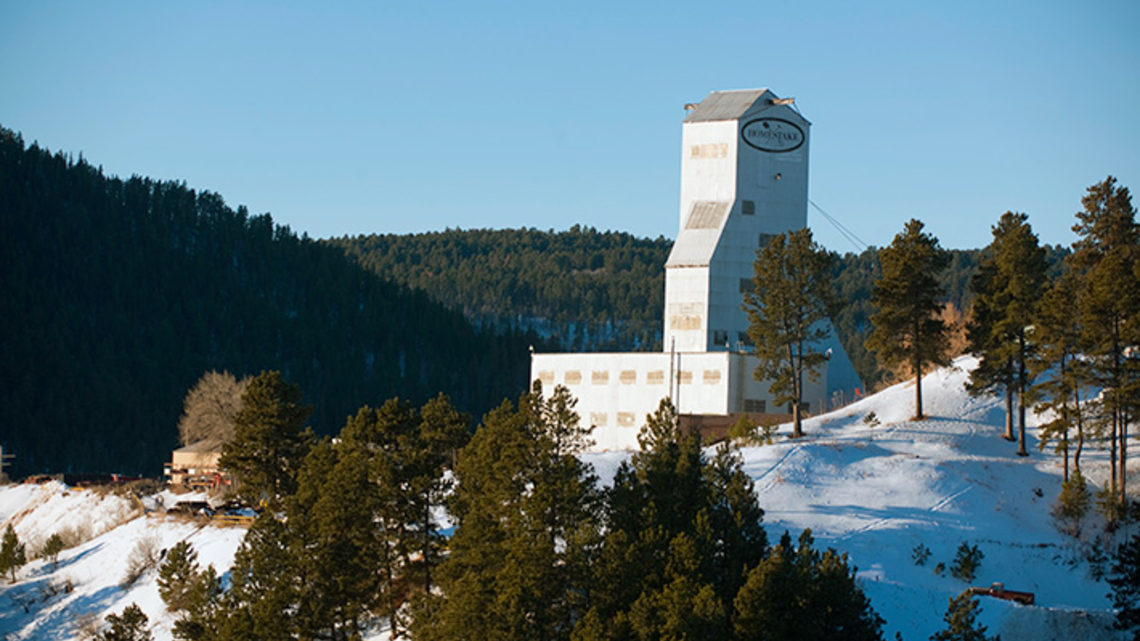
The Homestake mine in South Dakota, known for its iconic headframes and a depth of more than 8000 feet, closed in 2003. The state of South Dakota began reopening the mine for science in 2007.

The former gold mine is located in Lead, South Dakota, which has a population of about 3000 people. South Dakota has committed nearly $130 million to the facility, including a $70 million donation from philanthropist T. Denny Sanford.
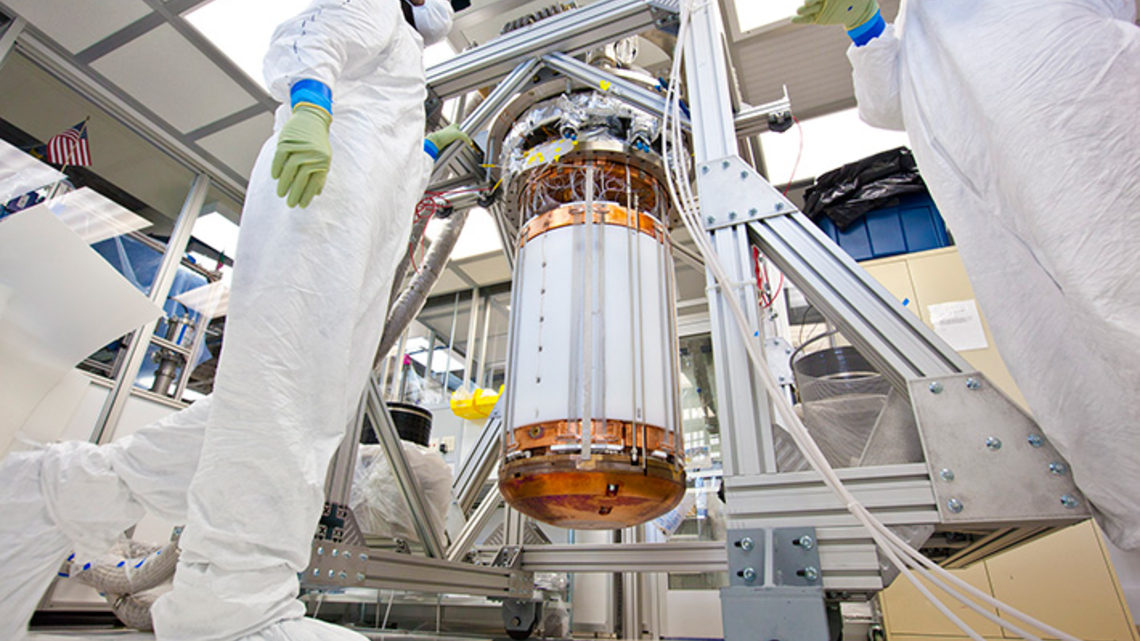
The LUX dark-matter detector, which scientists assembled and tested in a clean room above ground, is one of two physics experiments that will be installed 4850 feet underground in the new science facility this summer.
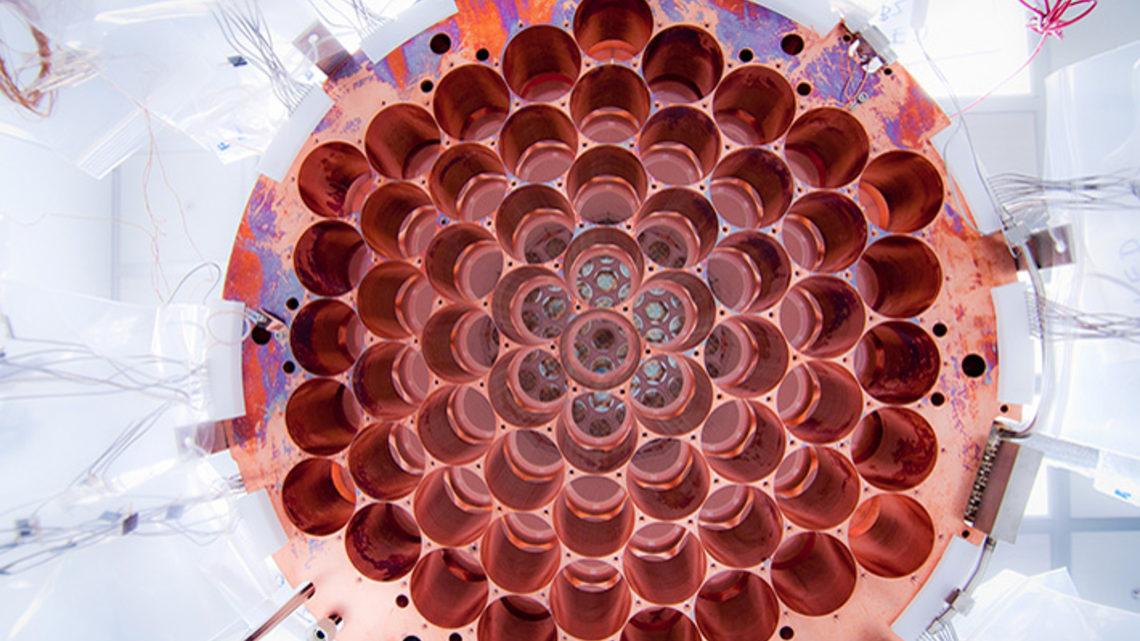
The LUX detector features two arrays with 61 slots each for photomultipliers. When in operation, the arrays will be surrounded by 350 kilograms of xenon.
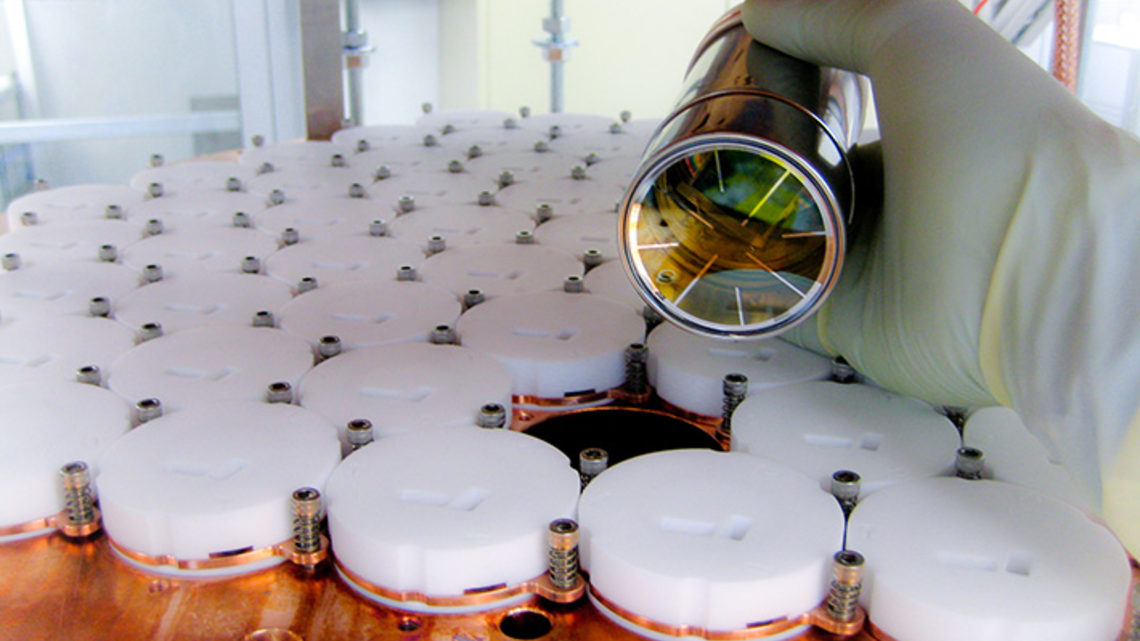
The ultrasensitive photomultipliers of the LUX experiment can detect the rare photons emerging from the collisions of dark-matter particles with a xenon nucleus.
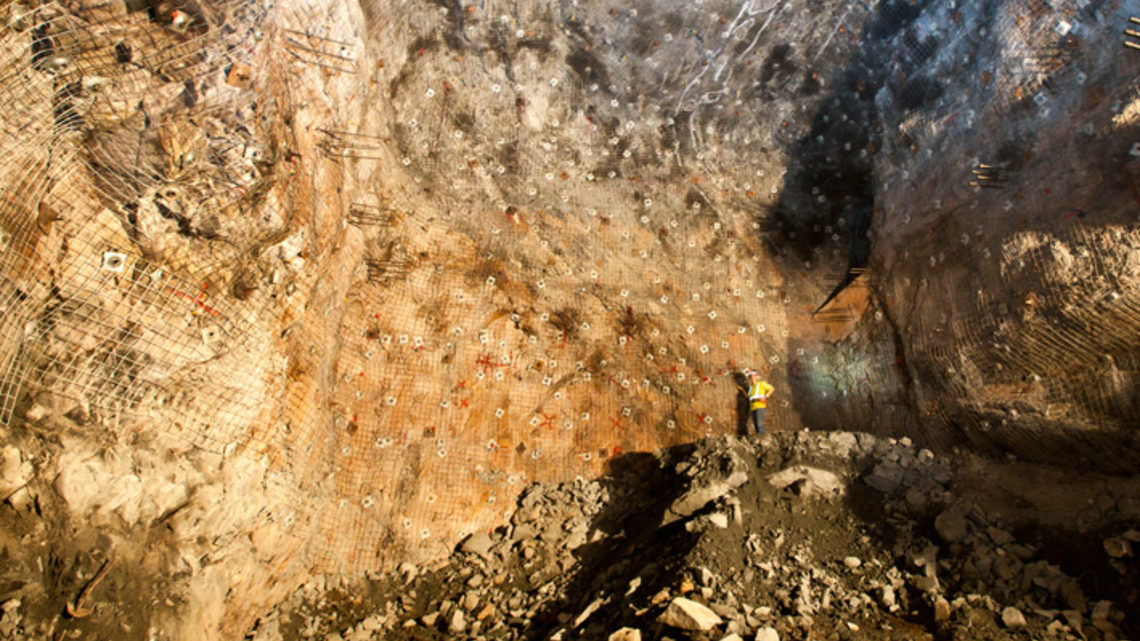
In July 2010, engineer Wendy Zawada stands on the last pile of rock that needed to be removed from the cavern for the LUX experiment, 4850 feet underground.
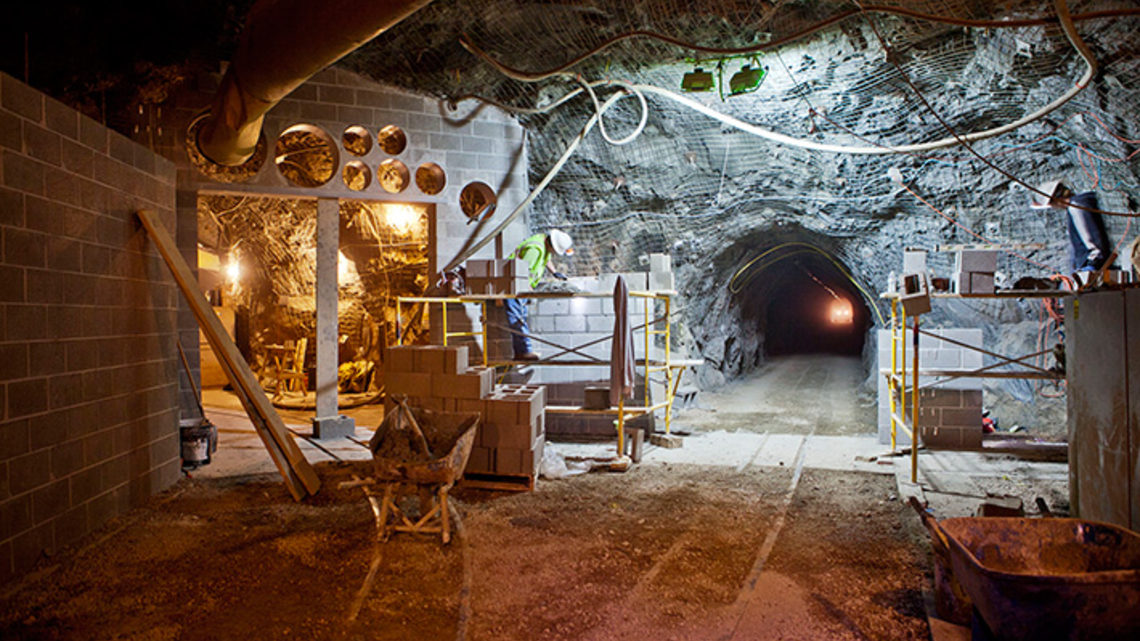
Construction workers are turning the former gold mine into a state-of-the-art underground research facility. The tunnel to the right provides secondary access to the Davis cavern, which will house the LUX experiment. The doorway to the left is the entrance to the Transition cavern, which will house the Majorana Demonstrator experiment and provide primary access to LUX.
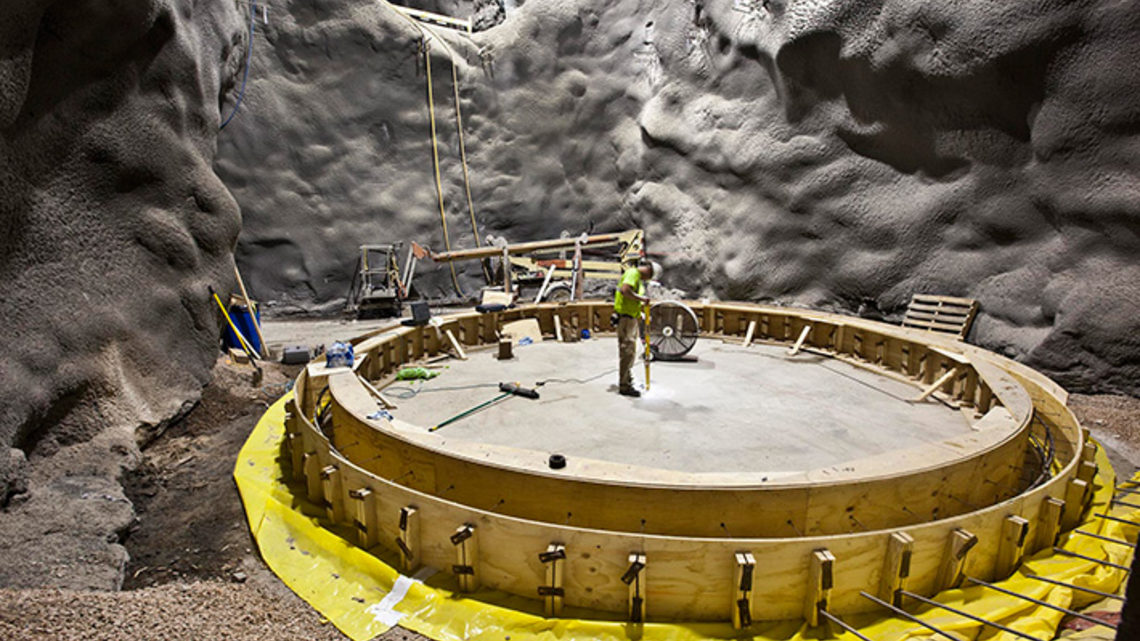
The floor of the Davis cavern is designed to support the heavy, cylindrical water tank that will surround the LUX detector.
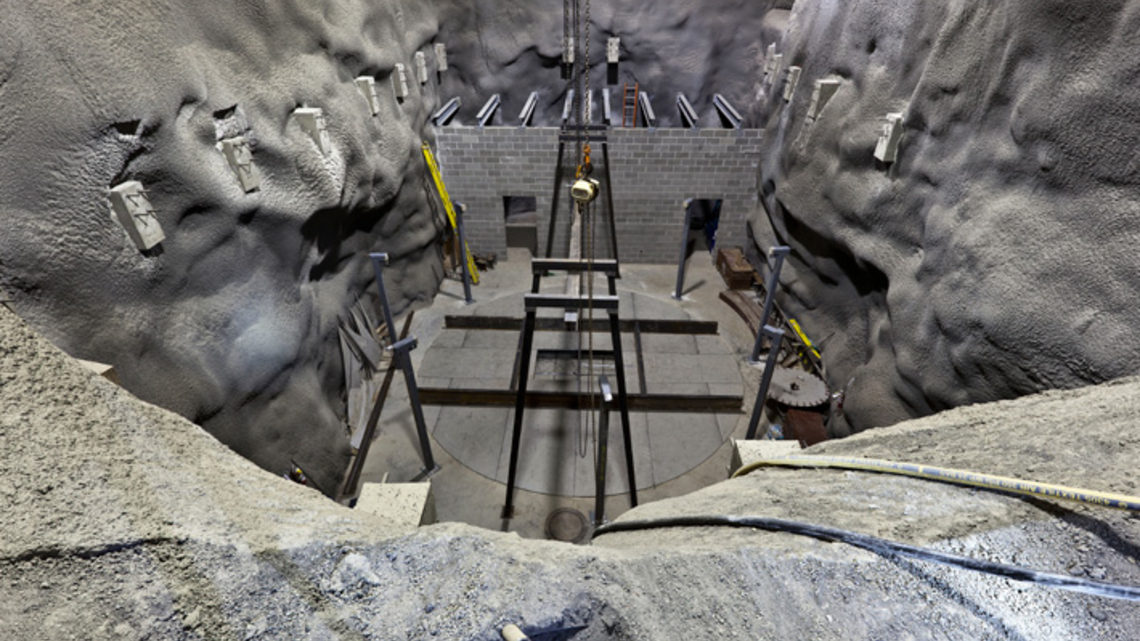
The LUX detector hall is ready for the installation of the large water tank. The lid of the tank, assembled from stainless steel plates, lies on the concrete floor.
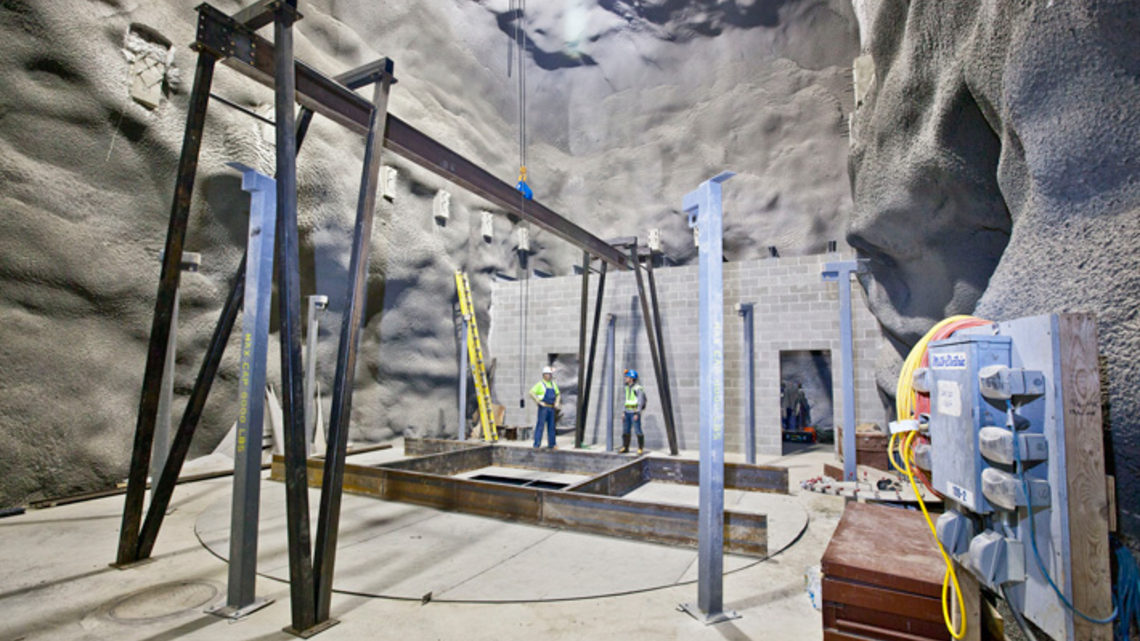
Construction workers built the water tank starting from the top. A temporary gantry was used to lift the lid off the ground, and welders attached the cylindrical walls below the lid, one ring at a time.
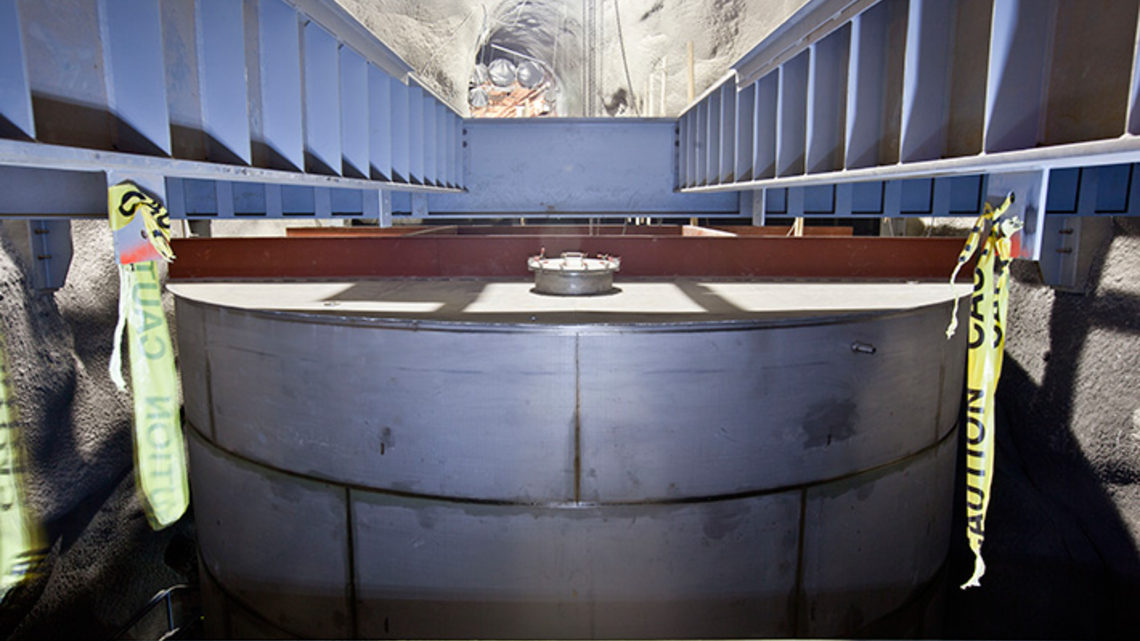
The stainless steel tank, completed in January 2011, will hold 71,600 gallons of purified, deionized water to protect the LUX detector from naturally occurring radioactive decays. Technicians will lower the detector into the water this summer.
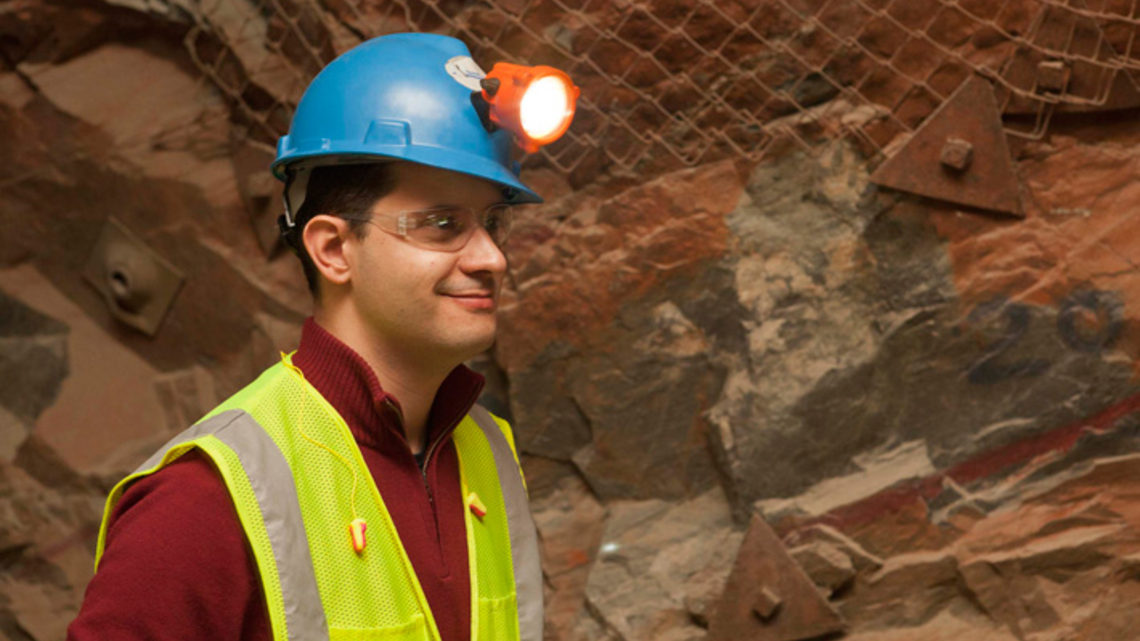
LUX scientist Simon Fiorucci inspects the progress of the underground construction. Before joining the LUX collaboration, he worked on the EDELWEISS and XENON dark-matter experiments at Gran Sasso, Italy.
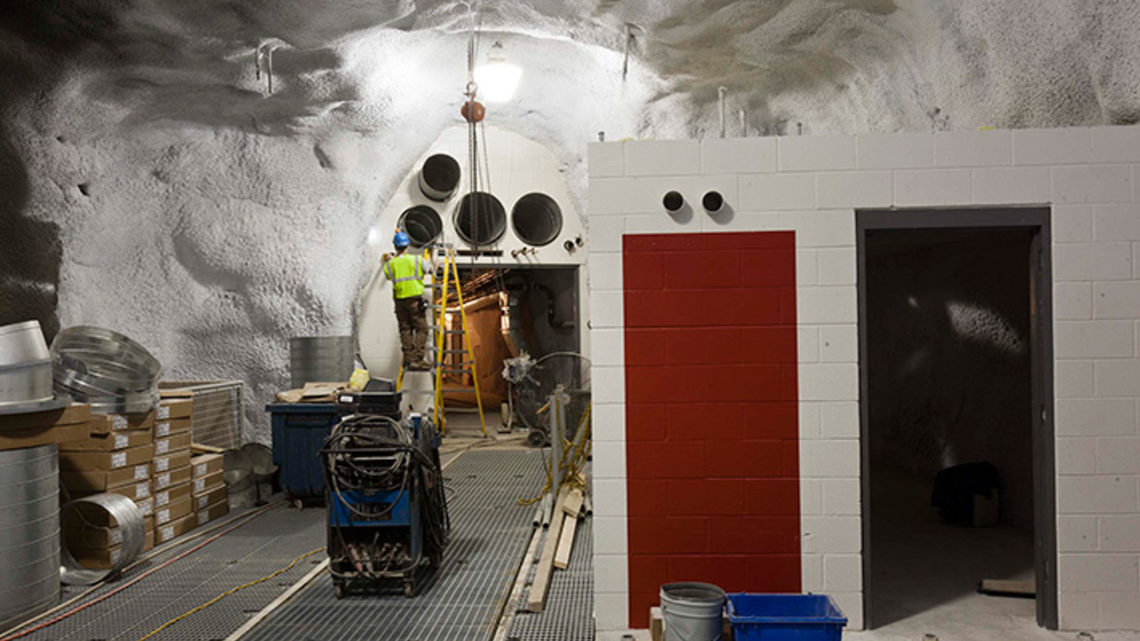
The LUX control room, at right, is located on the second floor of the LUX detector hall, above the water tank. Data taking could begin as soon as October 2012. The tunnel leads to the Majorana Demonstrator experiment.