02/01/23 Yale News Enchanted by science as a child, Yale physicist now probes quantum riddles Yale quantum physicist Charles D. Brown II reflects on his entry into the scientific life—and his research in quantum simulation.
01/26/23 Berkeley Lab Lost video of Georges Lemaître, father of the Big Bang Theory, recovered European broadcast network VRT found a 20-minute recording that is thought to be the only video of Lemaître.
01/24/23 New York Times Where is physics headed (and how soon do we get there)? Two leading scientists discuss the future of their field.
01/24/23 Knowable Magazine Can cosmology untangle the universe’s most elusive mysteries? Knowable Magazine spoke with cosmologist Michael Turner about the future of cosmology.
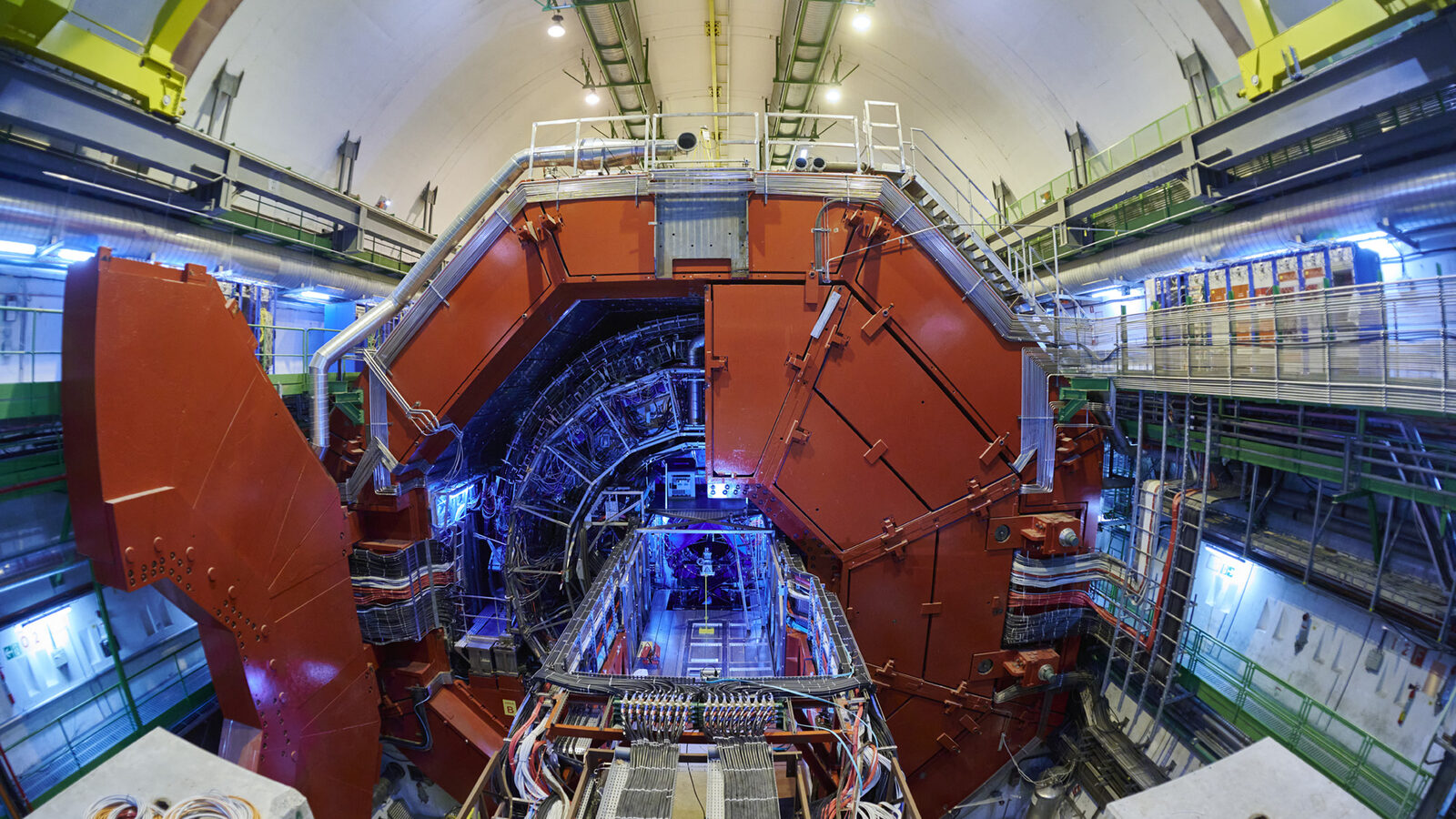
Curiouser and curiouser: a riddle at the ALICE detector 12/09/25 Sarah Charley In 2023, the ALICE experiment was ready for their best year yet, until a mysterious signal threatened everything. As the LHC wraps up its 2025 lead-ion run, physicists recall how they worked together to solve the puzzle.
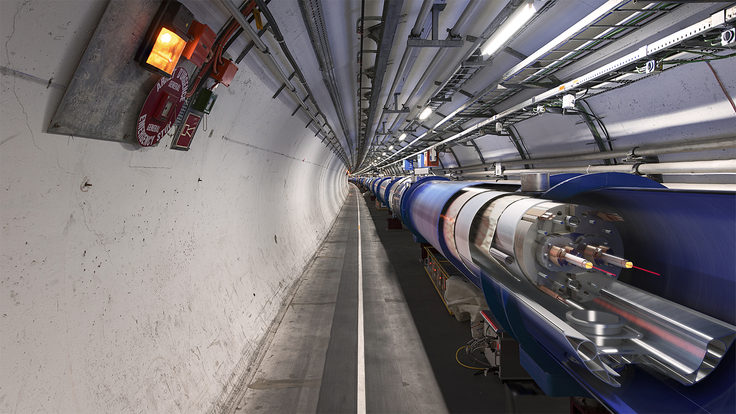
06/12/17 How to clean inside the LHC The beam pipes of the LHC need to be so clean, even air molecules count as dirt.
06/08/17 Another year wiser In honor of Fermilab’s upcoming 50th birthday, Symmetry presents physics birthday cards.
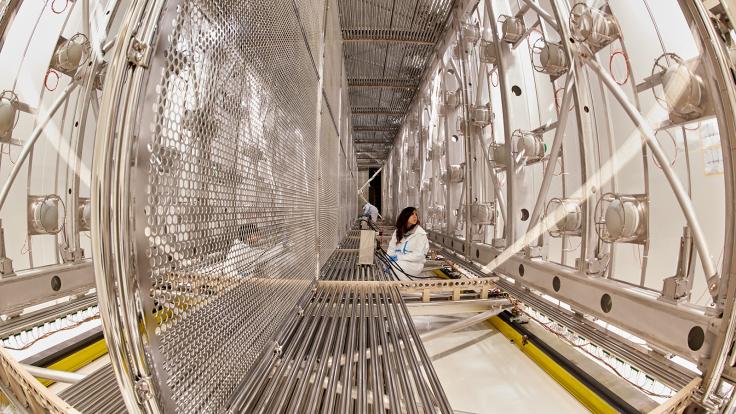
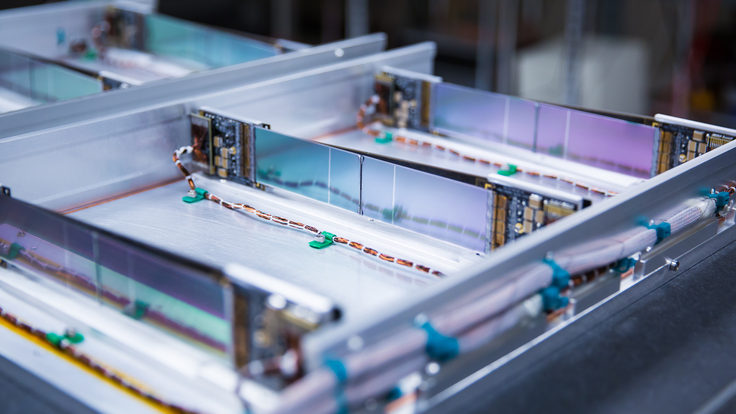
06/06/17 A tale of three cities An enormous neutrino detector named ICARUS unites physics labs in Italy, Switzerland and the US.
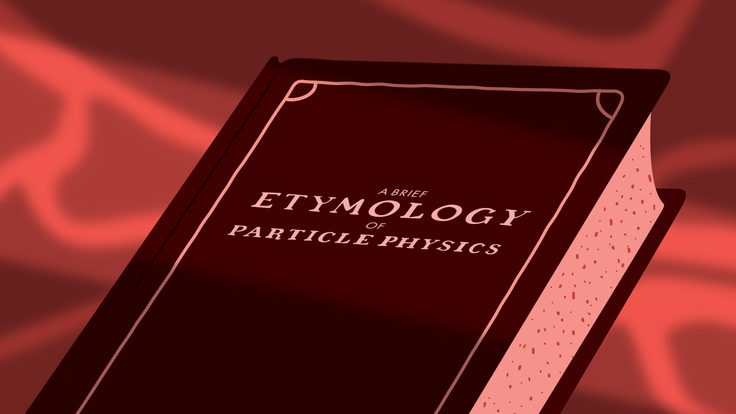
05/30/17 A brief etymology of particle physics How did the proton, photon and other particles get their names?
05/26/17 First results from search for a dark light The Heavy Photon Search at Jefferson Lab is looking for a hypothetical particle from a hidden “dark sector.”
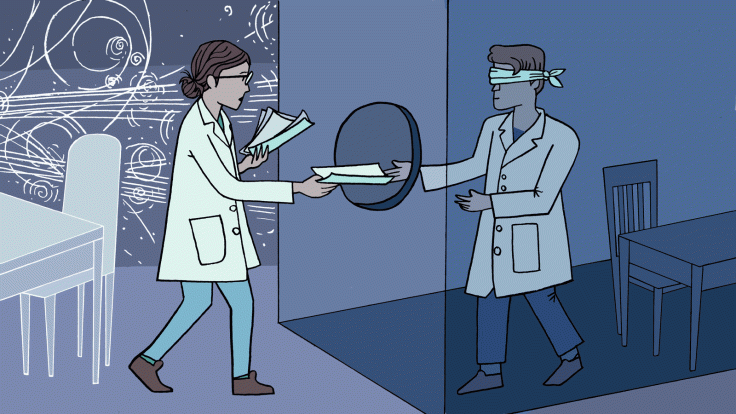
05/16/17 The facts and nothing but the facts At a recent workshop on blind analysis, researchers discussed how to keep their expectations out of their results.
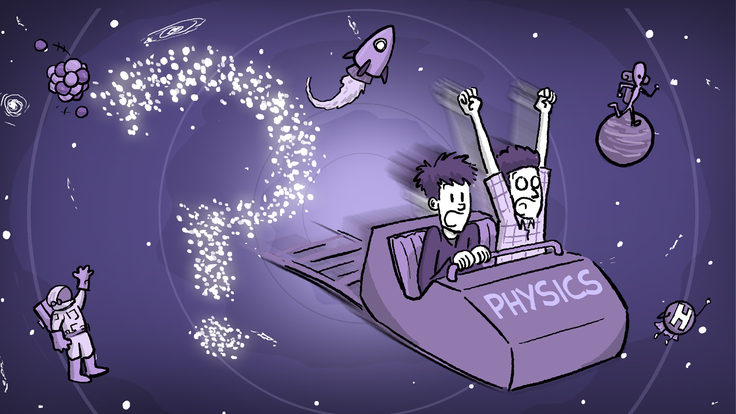
05/09/17 Understanding the unknown universe The authors of We Have No Idea remind us that there are still many unsolved mysteries in science.
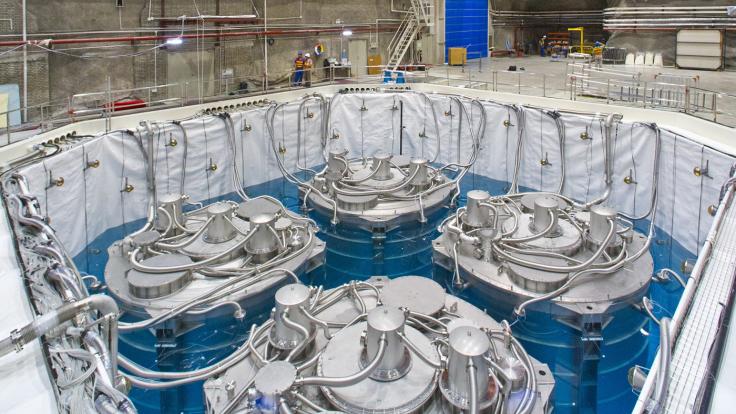
05/04/17 Sterile neutrino search hits roadblock at reactors A new result from the Daya Bay collaboration reveals both limitations and strengths of experiments studying antineutrinos at nuclear reactors.