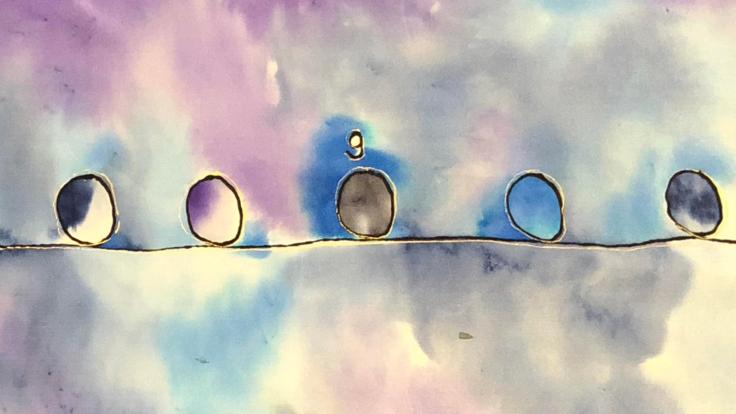
These clocks, which measure time by using an ultra-stable laser to monitor the resonant frequency of atoms, are now precise enough that if they ran for the age of the universe, they would lose less than one second.
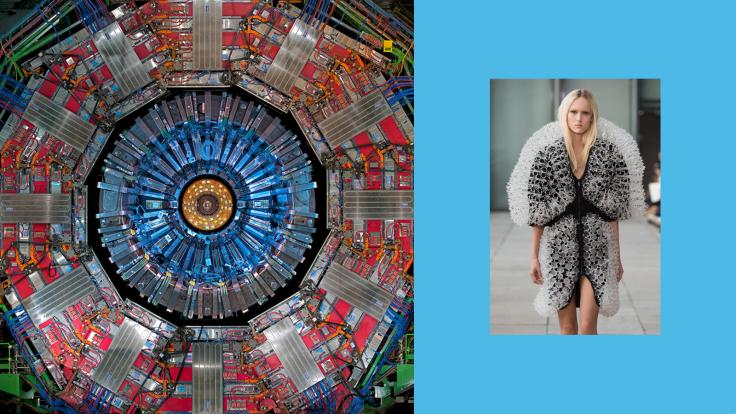
In the 11 years since its discovery at the Large Hadron Collider, the Higgs boson has become a central avenue for shedding light on the fundamental structure of the universe.
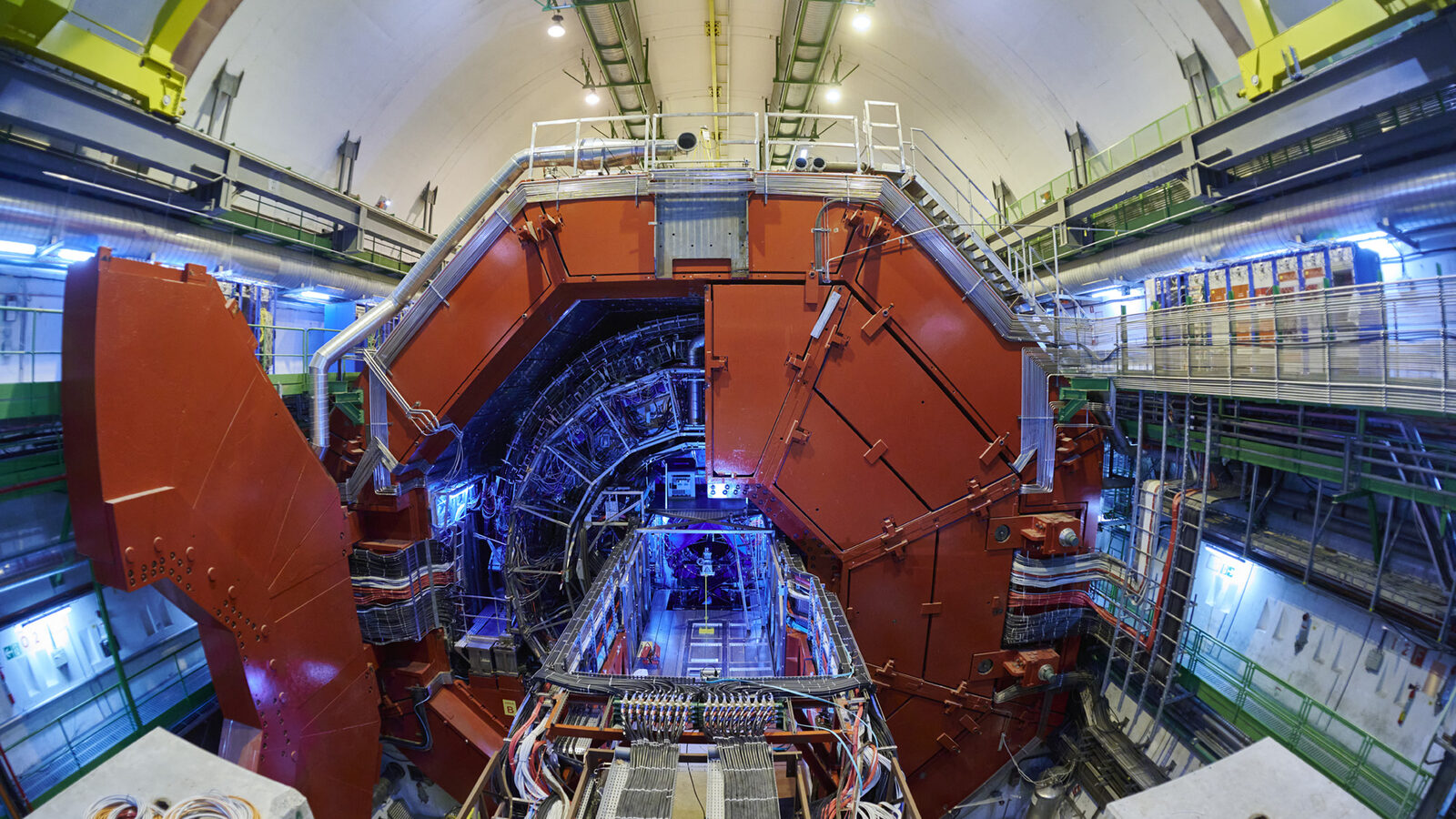
In 2023, the ALICE experiment was ready for their best year yet, until a mysterious signal threatened everything. As the LHC wraps up its 2025 lead-ion run, physicists recall how they worked together to solve the puzzle.