latest news

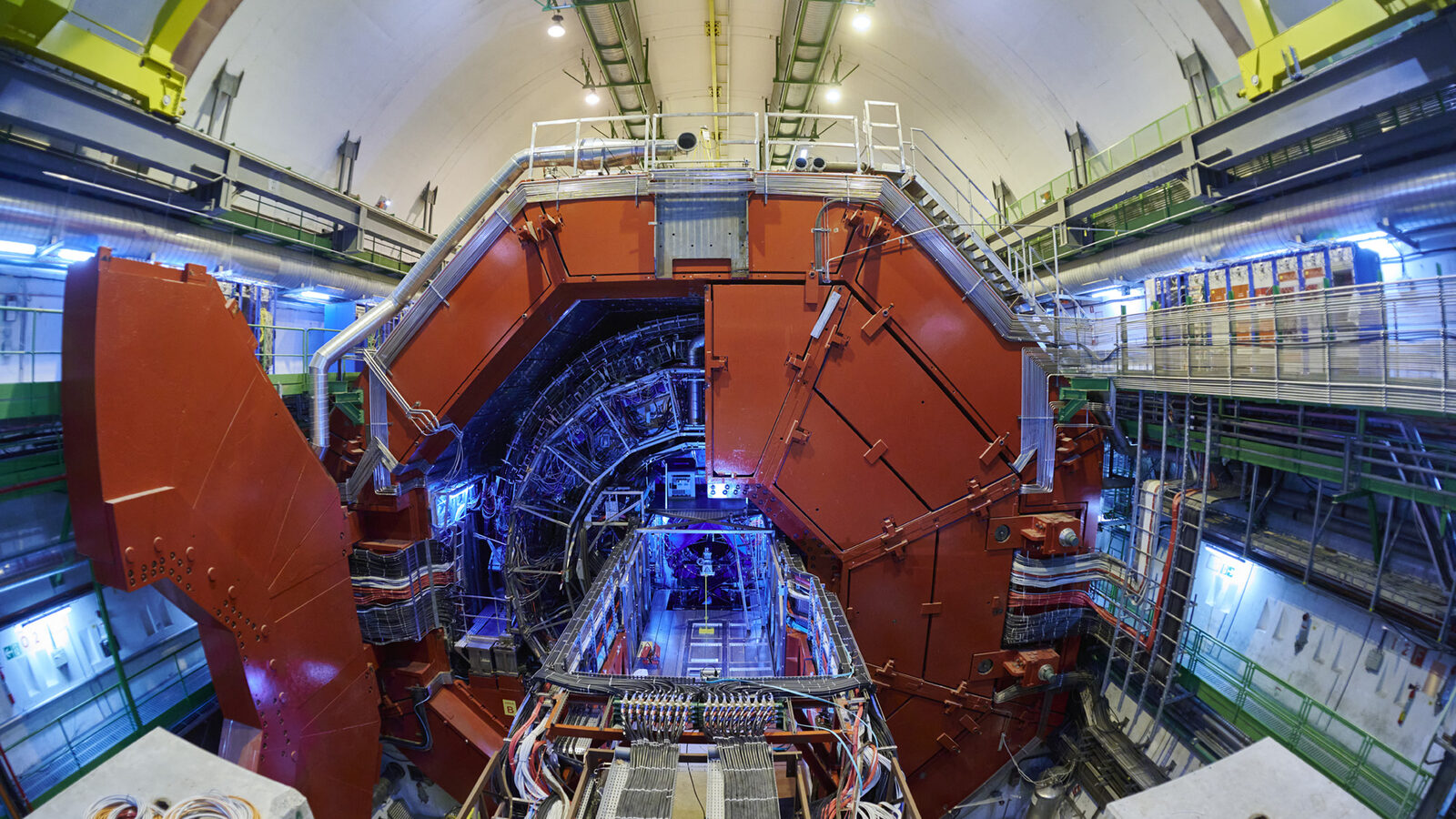
Curiouser and curiouser: a riddle at the ALICE detector

12/09/25

In 2023, the ALICE experiment was ready for their best year yet, until a mysterious signal threatened everything. As the LHC wraps up its 2025 lead-ion run, physicists recall how they worked together to solve the puzzle.

01/01/06

A dry run for money

Graduate students acclimate to sparse levels of comfort, but present and former Fermilab doctoral students Matt Leslie (Oxford University, CDF), James Monk (Manchester University, DZero), and Simon Waschke (Glasgow University, formerly CDF) are reaching for extremes: Taking a 1987 Renault purchas

11/01/05

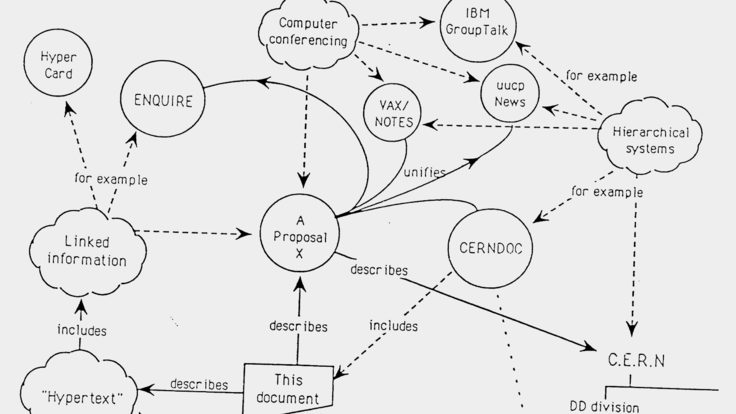
Inventing the web

The idea for the World Wide Web first appeared in a memo dubbed “vague but exciting.”

11/01/05

Meet the Grid

Today's cutting-edge scientific projects are larger, more complex, and more expensive than ever. Grid computing provides the resources that allow researchers to share knowledge, data, and computer processing power across boundaries.

11/01/05

Computing the quarks

A piece of steel may look cold and lifeless. But like any other piece of matter, it is bursting with activity deep inside. Electrons whiz around inside atoms, and a sea of never-resting quarks and gluons populates the nucleons that make up the atomic core.

11/01/05

A bright machine

The Fermilab Tevatron achieved a world-record peak luminosity, or brightness, in colliding protons and antiprotons on October 4, 2005.

11/01/05

Sciences on the Grid

All fields of science benefit from more resources and better collaboration, so it's no surprise that scientific researchers are among the first to explore the potential of grid computing to connect people, tools, and technology.