latest news

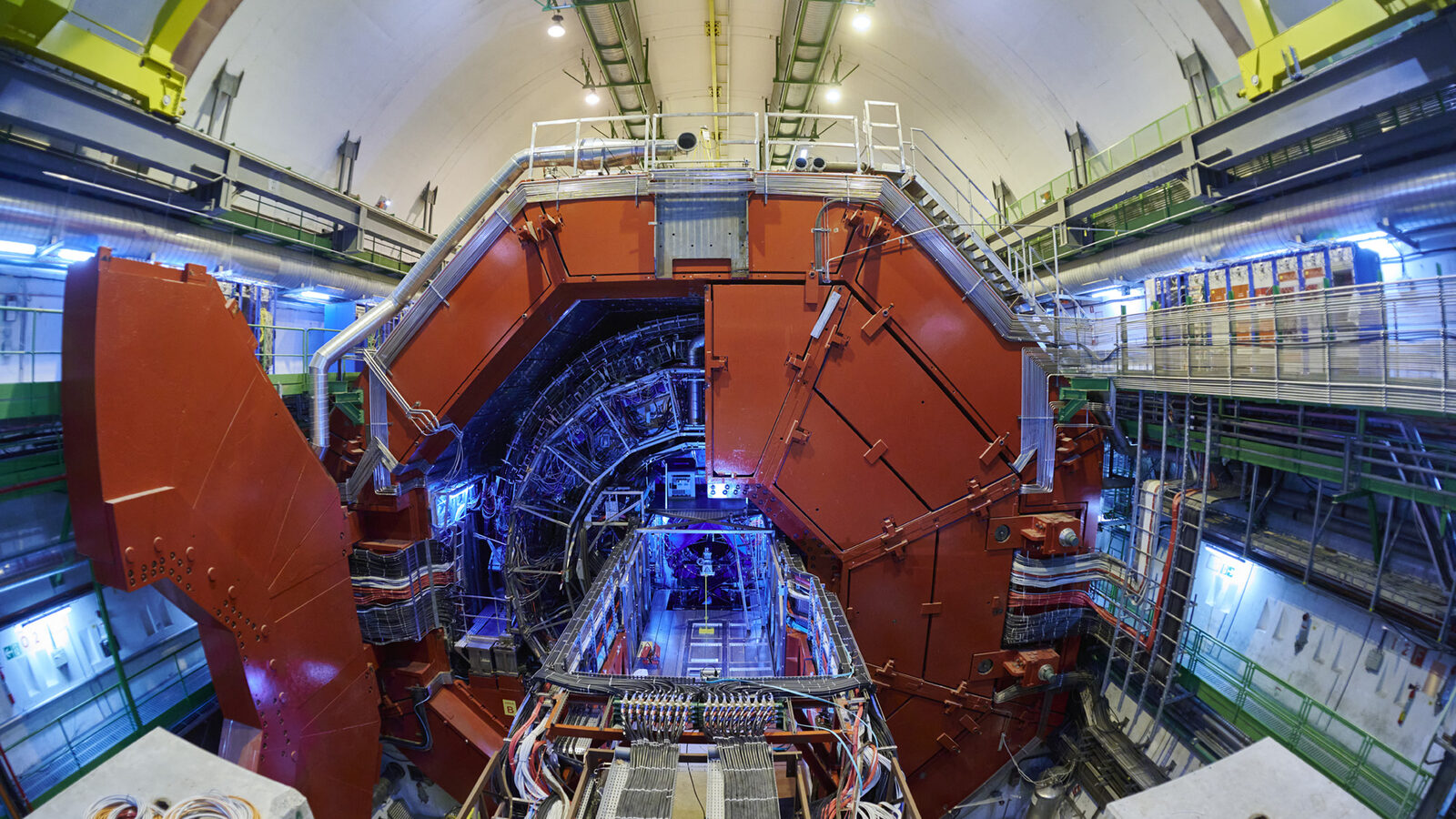
Curiouser and curiouser: a riddle at the ALICE detector

12/09/25

In 2023, the ALICE experiment was ready for their best year yet, until a mysterious signal threatened everything. As the LHC wraps up its 2025 lead-ion run, physicists recall how they worked together to solve the puzzle.

02/01/06

One big step for safety

It looks like a simple silver trailer, but it's more like a shoe store on wheels. Mike Sitarz pulls his metal trailer, better known among Fermilab employees as the "shoemobile," behind the Technical Division industrial buildings at 8 a.m. every Tuesday.

02/01/06

Collimation

In high-energy collisions, luminosity, or beam brightness, isn't the only thing to consider; low background noise at the detectors is also important. When wayward particles bounce around inside detectors, they can mimic real collisions, muddy results, and even damage parts of the collider.

02/01/06

SymmeTree

Tired of the usual holiday decorations, SLAC librarian Lesley Wolf created the first ever "SymmeTree" last November.

01/01/06

Particle physics goes to school

Students around the world are familiar with the periodic table of elements, a chart that outlines how protons, neutrons, and electrons form more than 100 different types of atoms.

01/01/06

Artifact: Relativator

Few periods in history were shaped by science as much as the 1950s. The Cold War was in full swing. The space race was finishing its first lap with Sputnik's launch. The Manhattan Project remained fresh in everyone's minds.

01/01/06

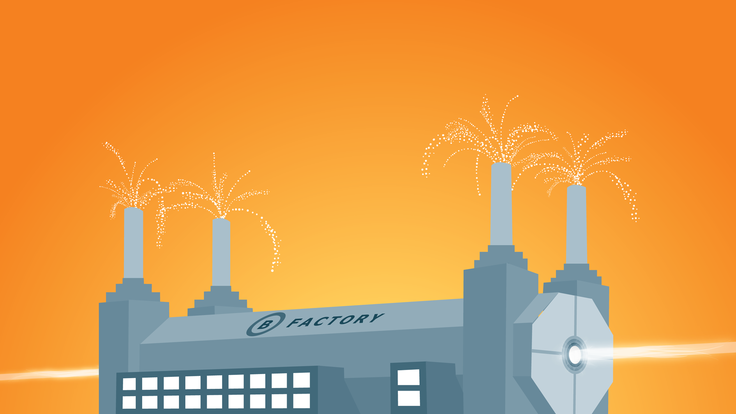
B factories

B factories mass-produce B mesons, particles that contain a bottom quark.

01/01/06

A dry run for money

Graduate students acclimate to sparse levels of comfort, but present and former Fermilab doctoral students Matt Leslie (Oxford University, CDF), James Monk (Manchester University, DZero), and Simon Waschke (Glasgow University, formerly CDF) are reaching for extremes: Taking a 1987 Renault purchas