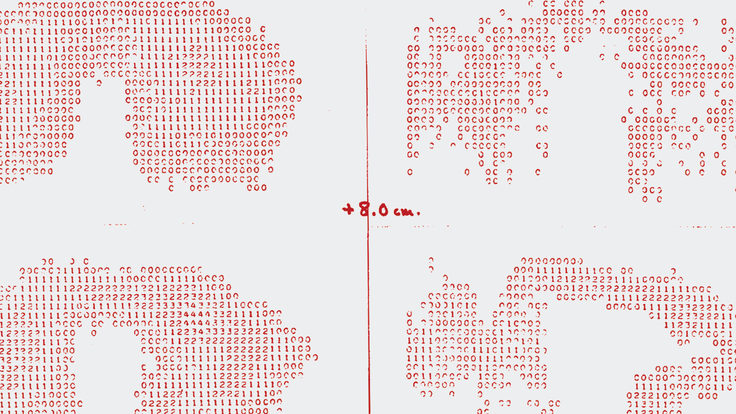
Scientists have sought to create better medical imaging techniques ever since Wilhelm Röntgens 1896 discovery that X-rays can reveal bones and other anatomical structures in a noninvasive way.
Working at the same place in similar fields, Michael S. Smith and Chang-Hong Yu enjoy a situation not too unusual among married couples. Not so ordinary is their line of work.
Canadian subatomic physics has a lot going for it: sparkling new hardware, an influx of bright young minds, and key roles in international projects. But only by doubling its operating budget can it live up to that potential, a new report suggests.
Somebody who's racked up thousands of hours of community service has either been very bad or very good. SLAC carpenter Michael Hughes has been very, very good.
University scientists are the backbone of particle physics; like cogs in a complex machine, they deliver expertise, funding, and equipment exactly where needed. At Vanderbilt, theyre developing ways to handle a flood of data from the Large Hadron Collider.