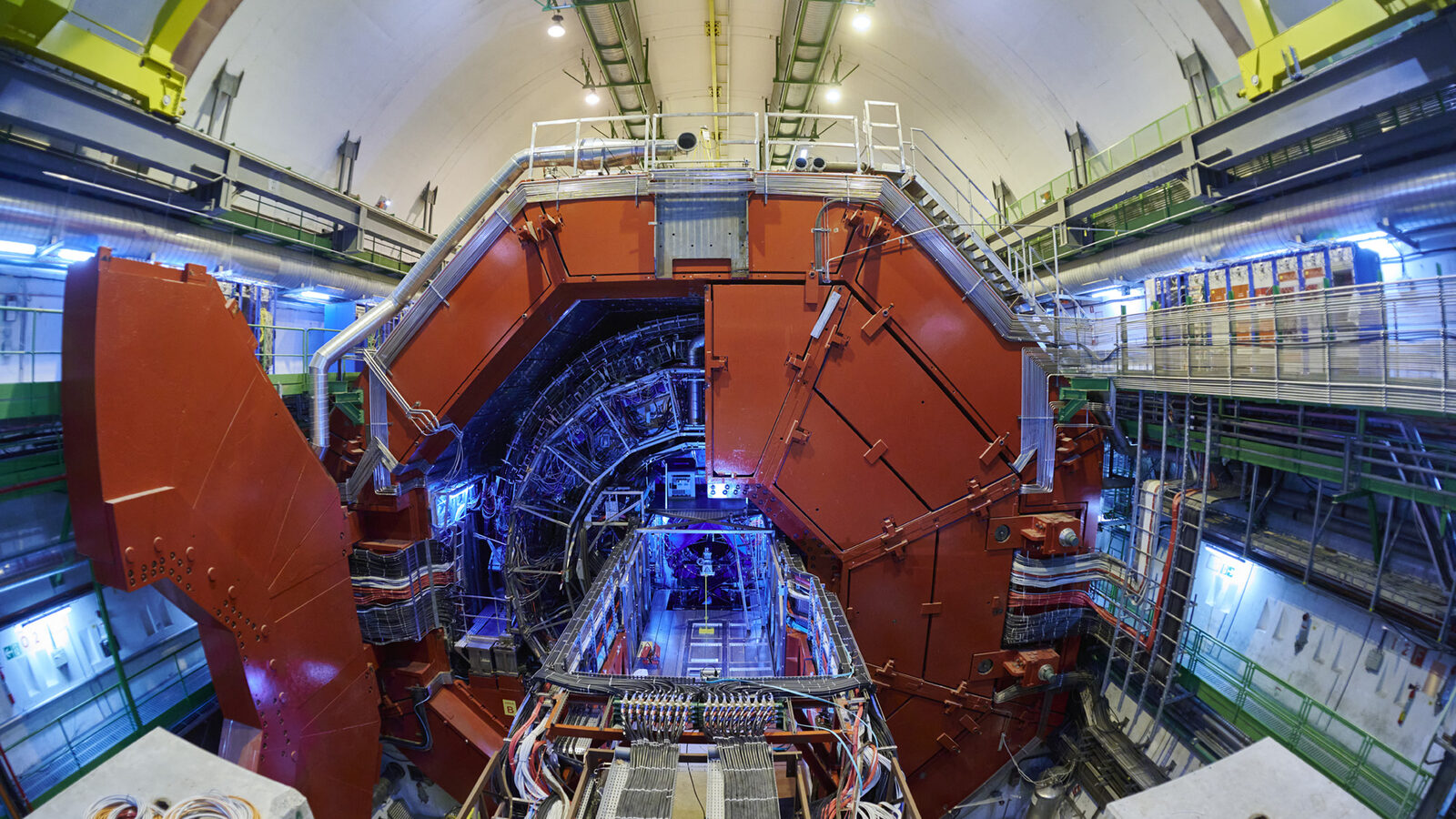
In 2023, the ALICE experiment was ready for their best year yet, until a mysterious signal threatened everything. As the LHC wraps up its 2025 lead-ion run, physicists recall how they worked together to solve the puzzle.
Physicist Brian Cox has been watching science fiction movies since he was a small child. He always scoffed at the imprecise nature of the science in movies. But over the past year, he learned a lot about the balance between making a movie entertaining and making it scientifically correct.
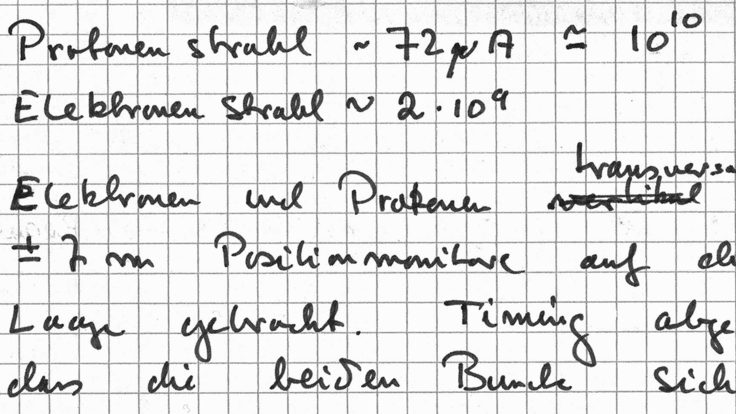
On October 19, 1991, at 6:50 p.m., Bjørn Wiik logged the first collisions in the new electron-proton particle collider at the Deutsches Elektronen-Synchrotron in Hamburg.
What is the universe made of? What are matter, energy, space, and time? How did we get here and where are we going? In particle physics, the classic place to look for answers is in giant accelerators where particles collide. But nature also provides a wealth of data.
Fermi National Accelerator Laboratory in Batavia, Illinois has a challenge: how will it maintain its central role as a place where particle accelerators produce groundbreaking discoveries in physics?
Laughter punctuates the excited conversations, a mix of German and English. Drinks are passed around and children dart among the legs of the hundred or so scientists gathered together for one last time. The sky’s blue is deepening: only 90 minutes until sunset.