latest news

Muons: Emblems of discovery

01/13/26

Once a surprise to physicists, these particles are useful tools inside and outside the realm of particle physics. 

12/01/07

Protecting the LHC from itself

Scientists at CERN have crafted the world’s most sophisticated machine protection system to save the LHC from itself.

12/01/07

New directions, new directors

Two labs on the brink of launching major projects have one more thing in common: new directors named in December.

12/01/07

LHC cabling

It’s heavy, dusty, dirty work: Deep in the bowels of the LHC detectors, workers are rushing to connect a rat’s nest of cables.

12/01/07

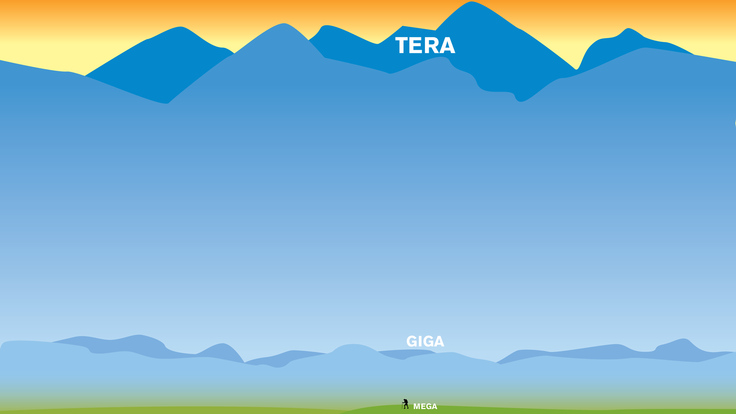
Terascale

The Terascale is an energy region named for the tera, or million million, electronvolts of energy needed to access it. Physicists are standing at its threshold, poised to enter this uncharted territory of the subatomic world.

12/01/07

Q&A: James Gillies

Hollywood directors, time travelers, journalists, school kids—CERN’s press office sees them all.

12/01/07

Computers take on more than aliens

They started out scanning the cosmos for signs of extraterrestrial intelligence with SETI@ home. They’ve plotted chess moves, battled malaria, and folded proteins, all from their home computers. Now, volunteers are tackling particle physics with LHC@home.

11/01/07

Dark energy

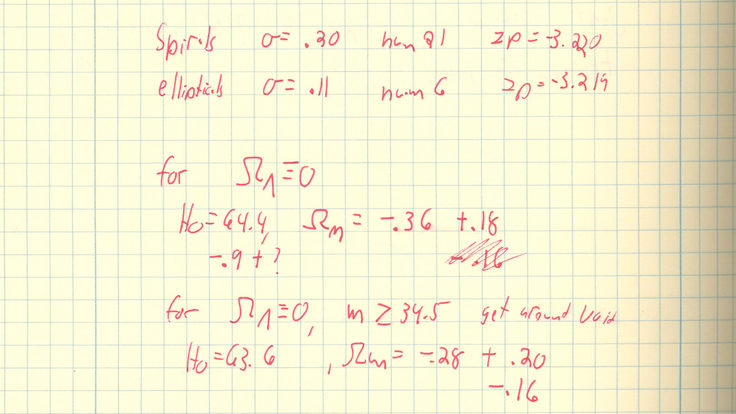
In the fall of 1997, I was leading the calibration and analysis of data gathered by the High-z Supernova Search Team, one of two teams of scientists —the other was the Supernova Cosmology Project—trying to determine the fate of our universe: Will it expand forever, or will it halt and contract, r

11/01/07

On the trail of cosmic bullets

Do the most energetic particles in the universe come from supermassive black holes? New results from the Pierre Auger Observatory make that case.