A detector that was designed to probe dark matter has seen an elusive nuclear decay called two-neutrino double electron capture—with implications for nuclear and particle physics.
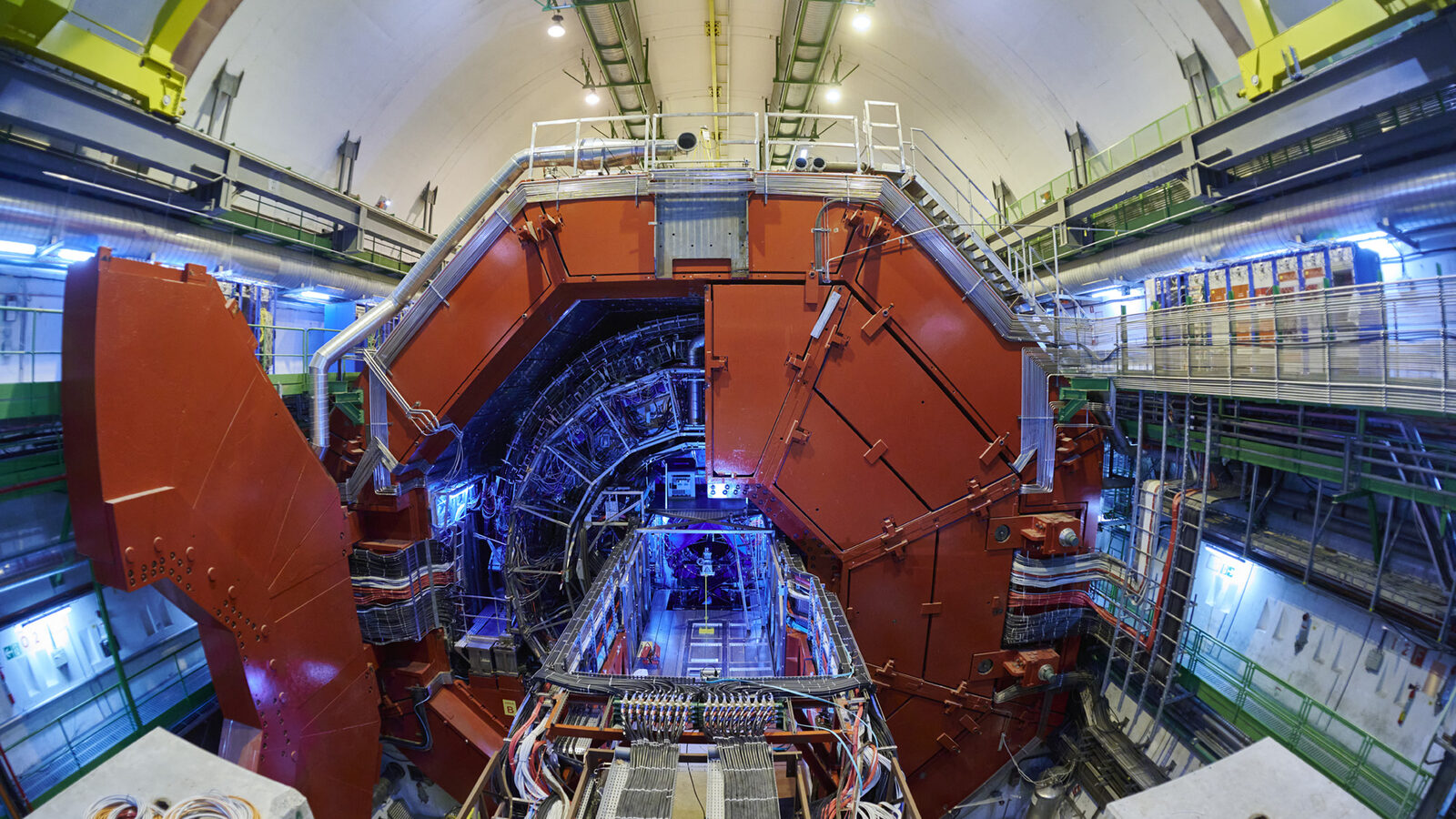
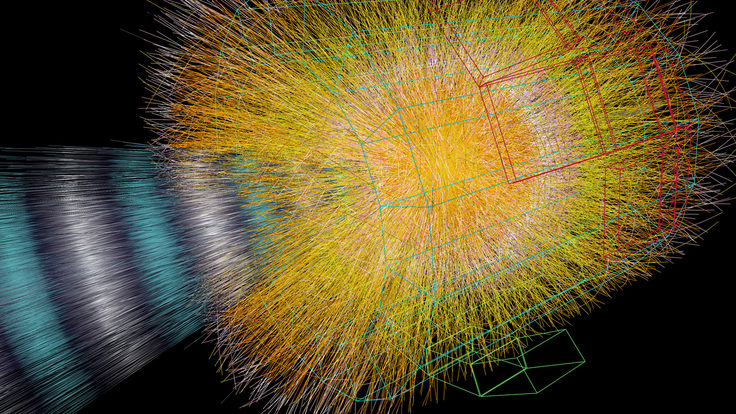
In 2023, the ALICE experiment was ready for their best year yet, until a mysterious signal threatened everything. As the LHC wraps up its 2025 lead-ion run, physicists recall how they worked together to solve the puzzle.
ATLAS, a particle physics experiment at CERN’s Large Hadron Collider, boasts 2000-plus members from 35 countries. But on a map showing where those members come from, one continent is almost mark-free: Africa.
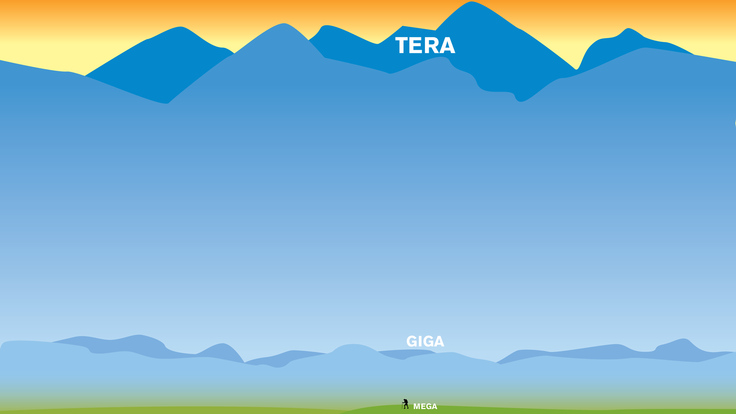
The Terascale is an energy region named for the tera, or million million, electronvolts of energy needed to access it. Physicists are standing at its threshold, poised to enter this uncharted territory of the subatomic world.
‘Tis the season for science at the bottom of the Earth. Researchers are flying to the South Pole from all over the globe to take advantage of the “ warm” summer months, when temperatures average minus 35 degrees Fahrenheit.