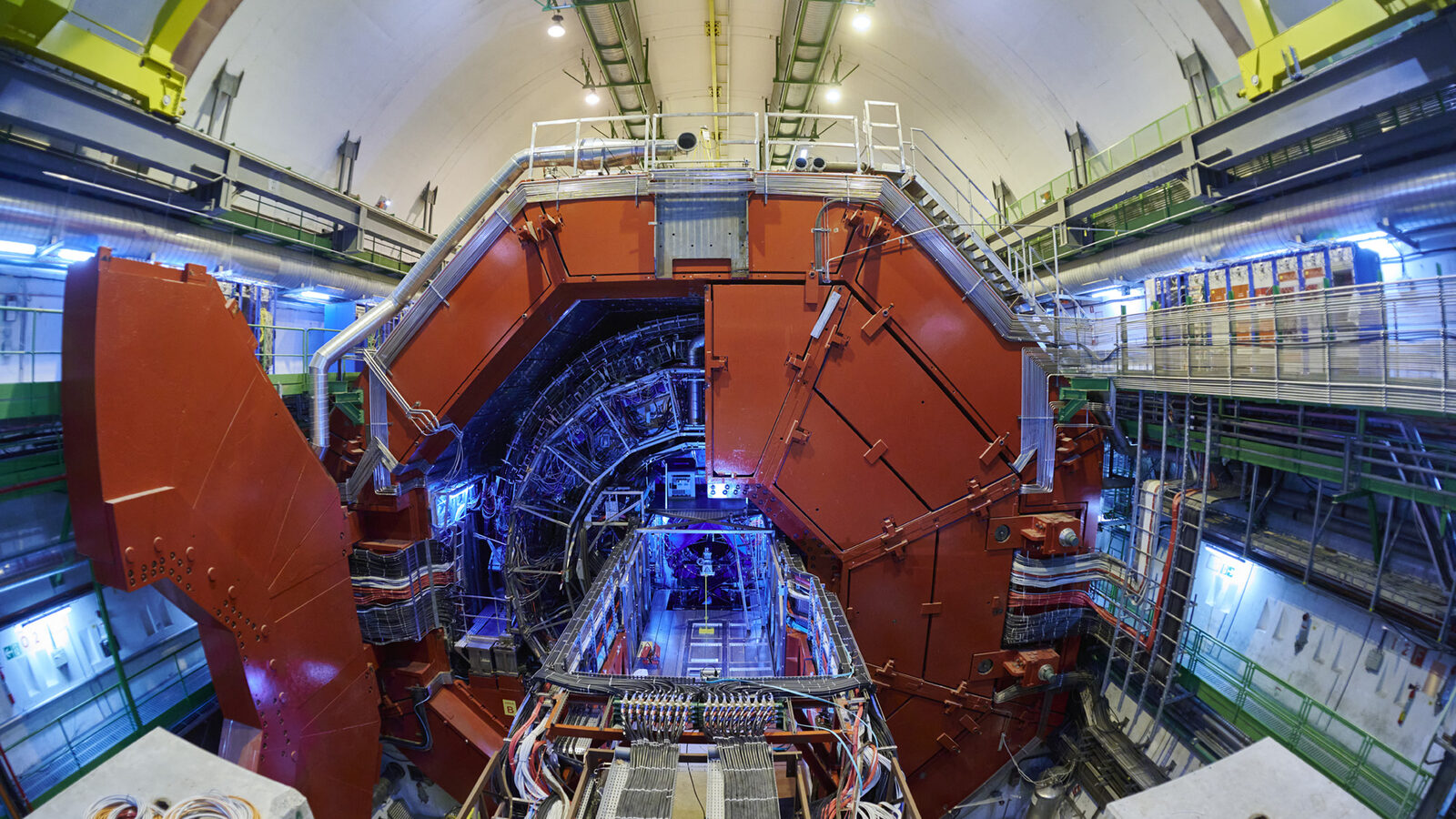
A detector that was designed to probe dark matter has seen an elusive nuclear decay called two-neutrino double electron capture—with implications for nuclear and particle physics.
In 2023, the ALICE experiment was ready for their best year yet, until a mysterious signal threatened everything. As the LHC wraps up its 2025 lead-ion run, physicists recall how they worked together to solve the puzzle.
Meeting in CERN’s Restaurant 1, anthropologist Arpita Roy of the University of California, Berkeley is quick to declare that she will not be having any more coffee today. She has begun drinking multiple cups per day as she meets with CERN physicists to learn about their work.
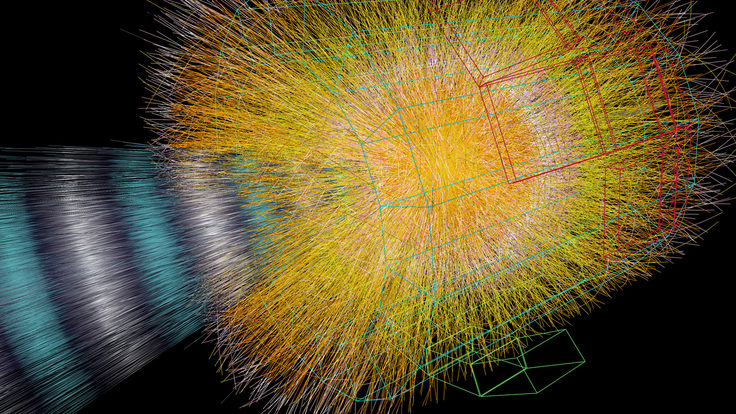
Every time Fermilab scientist Tom Schwarz starts up SpartyJet, he inwardly grimaces. The computer program works well. It does a fine job of finding and recording jets—sprays of subatomic particles that emerge from collisions involving protons.
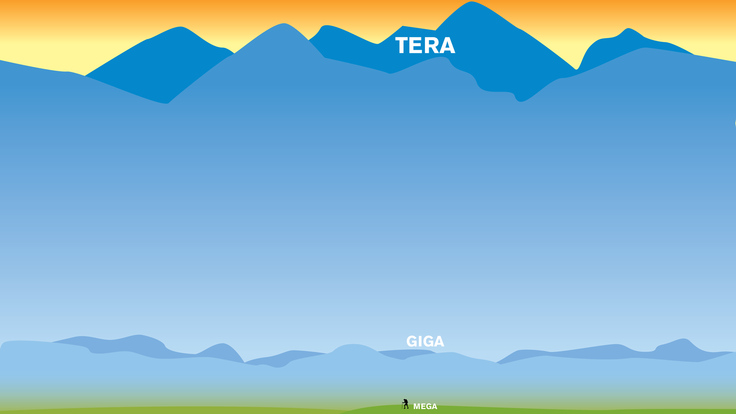
The Terascale is an energy region named for the tera, or million million, electronvolts of energy needed to access it. Physicists are standing at its threshold, poised to enter this uncharted territory of the subatomic world.
ATLAS, a particle physics experiment at CERN’s Large Hadron Collider, boasts 2000-plus members from 35 countries. But on a map showing where those members come from, one continent is almost mark-free: Africa.