On May 29, 1919, a solar eclipse forever altered our conception of gravity, rewrote the laws of physics and turned a 40-year-old, wild-haired scientist into a global celebrity.
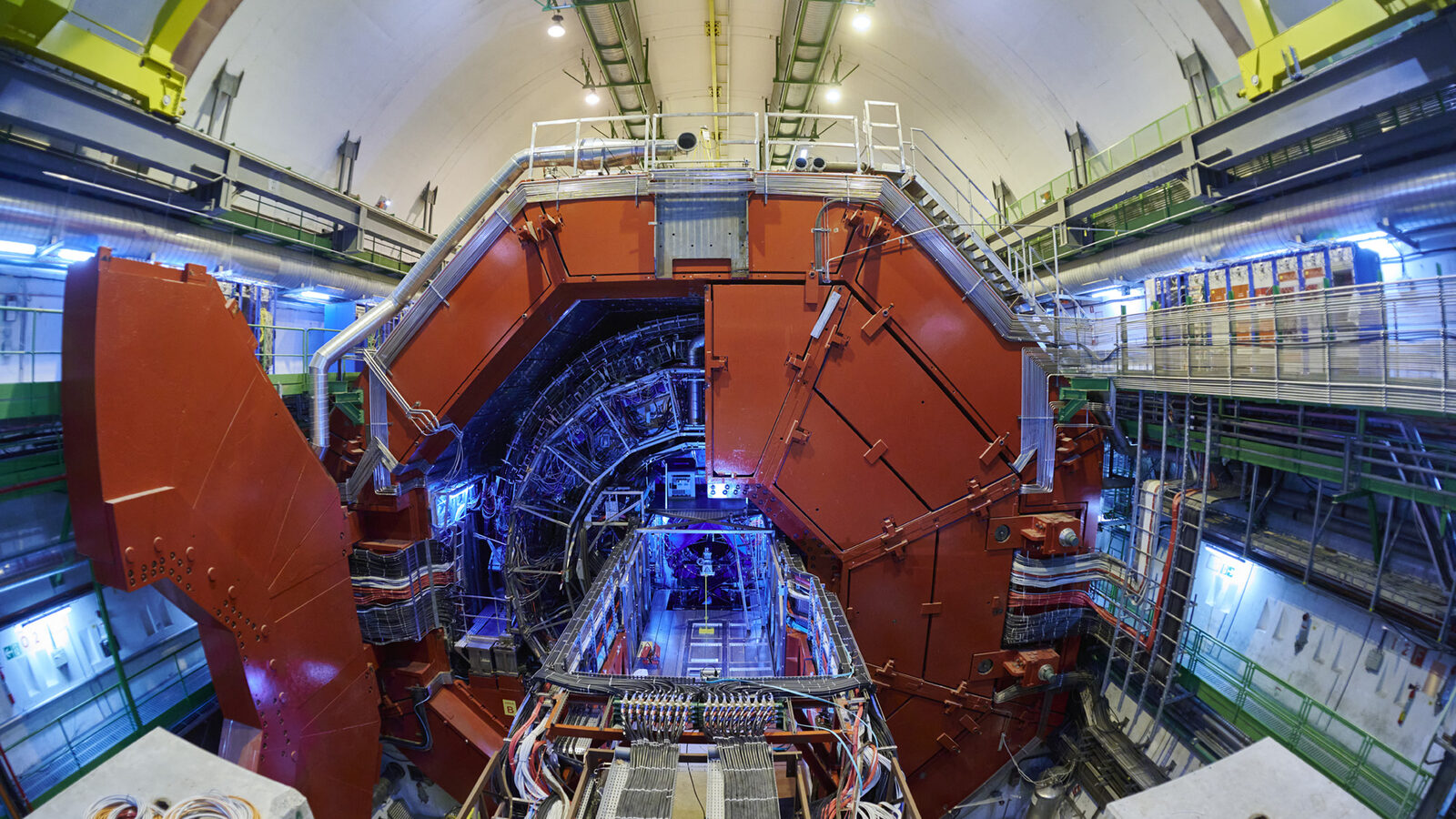
In 2023, the ALICE experiment was ready for their best year yet, until a mysterious signal threatened everything. As the LHC wraps up its 2025 lead-ion run, physicists recall how they worked together to solve the puzzle.
Tesla coils always draw crowds, and the DucKon science fiction convention in Naperville, Illinois, was no exception. People gathered around the seven-foot-tall metal transformer tower and awaited its monotone crackle, purple sparks, and thrilling flashes of artificial lightning.
When particle accelerators gave birth to the powerful X-ray microscopes known as synchrotrons, they revolutionized the study of virtually every field of science.
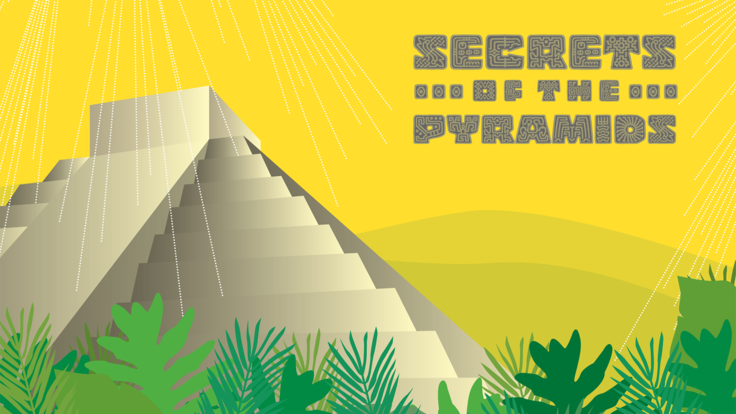
In a boon for archaeology, particle physicists plan to probe ancient structures for tombs and other hidden chambers. The key to the technology is the muon, a cousin of the electron that rains harmlessly from the sky.
Many high-energy physics laboratories have athletic clubs, music clubs, or chess clubs, but a bread-tasting club? Only in Japan. And only at Koo Energy Ken, KEK, outside of Tsukuba.
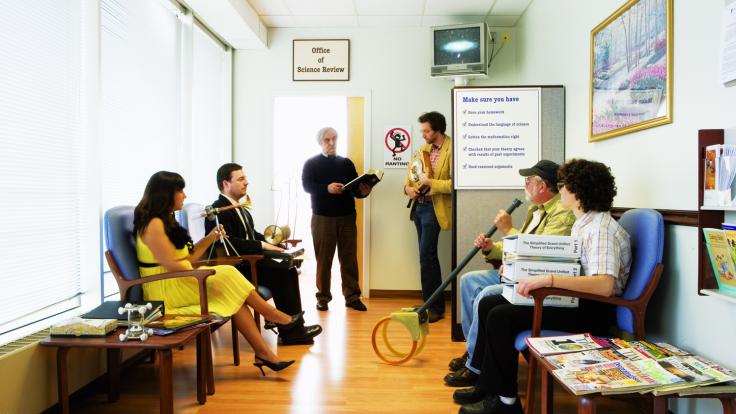
Amateur scientists make important contributions in a number of fields, from astronomy to ornithology. But very few have the background needed to succeed in high-energy physics.
For most people, a Caribbean cruise is an opportunity for sun-splashed daydreaming, guiltless beach reading, and lackadaisical dips in warm, shimmering waters—in other words, complete mental repose.
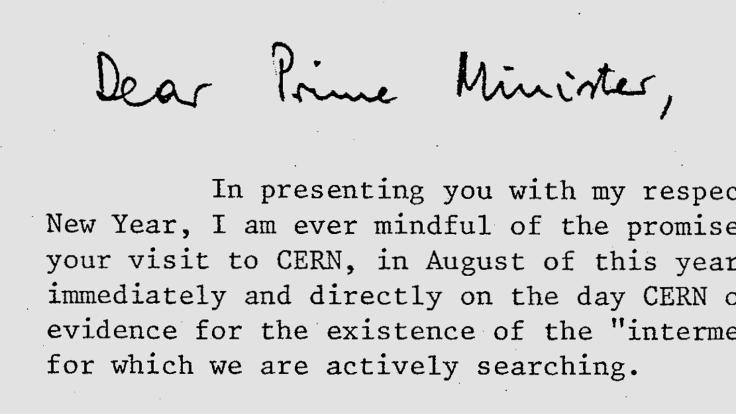
In August 1982, Margaret Thatcher, then prime minister of the United Kingdom, paid a private visit to the European laboratory CERN. On her arrival she told Director General Herwig Schopper that she wanted to be treated as a fellow scientist.