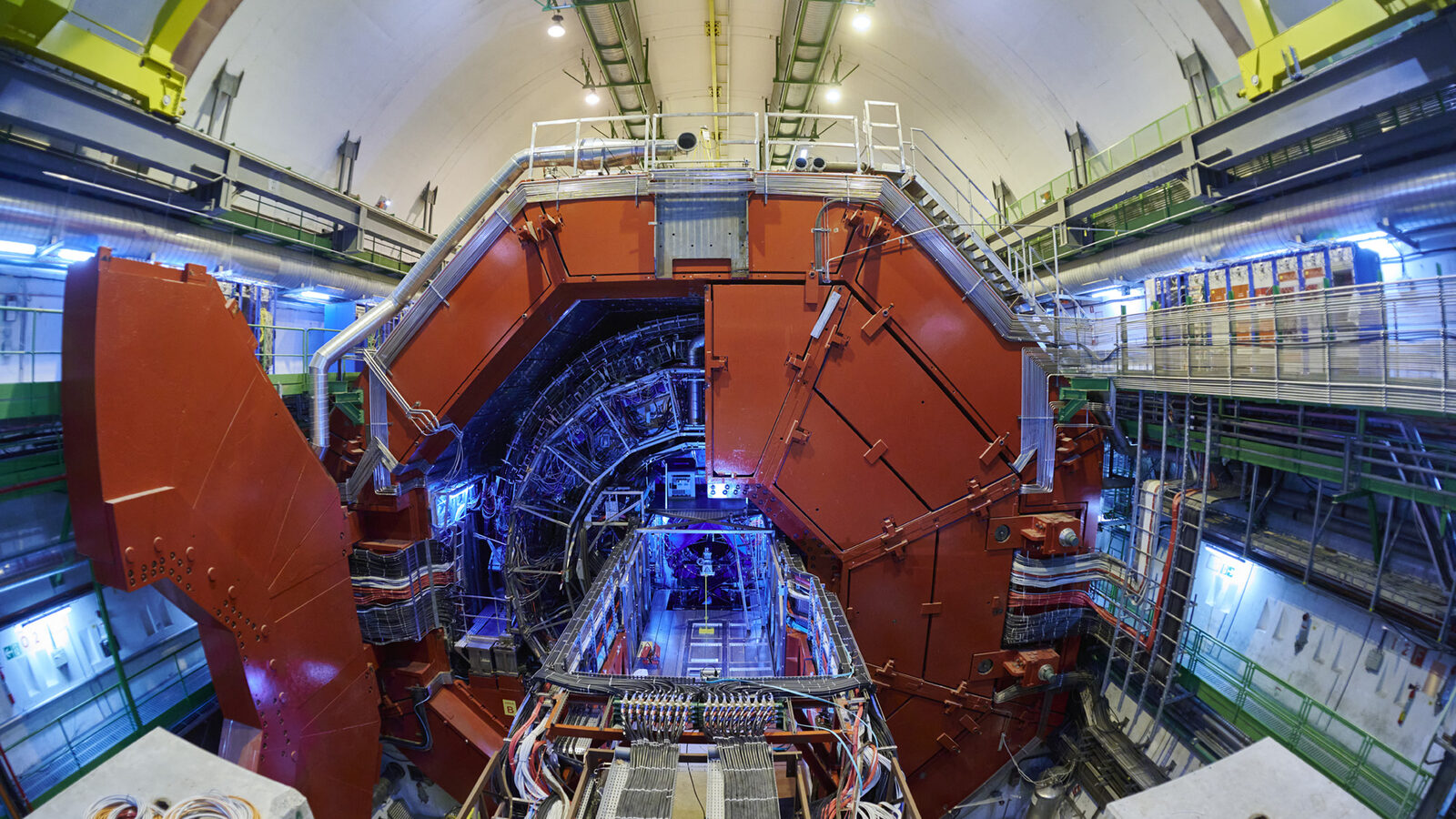
In 2023, the ALICE experiment was ready for their best year yet, until a mysterious signal threatened everything. As the LHC wraps up its 2025 lead-ion run, physicists recall how they worked together to solve the puzzle.
As passengers boarded the train in a Berlin suburb, researchers from the Large Hadron Collider greeted them: Imagine you are a proton and this train is the LHC tunnel. You will travel 37 km, slightly more than the 27 km it takes the protons to circle the LHC tunnel.
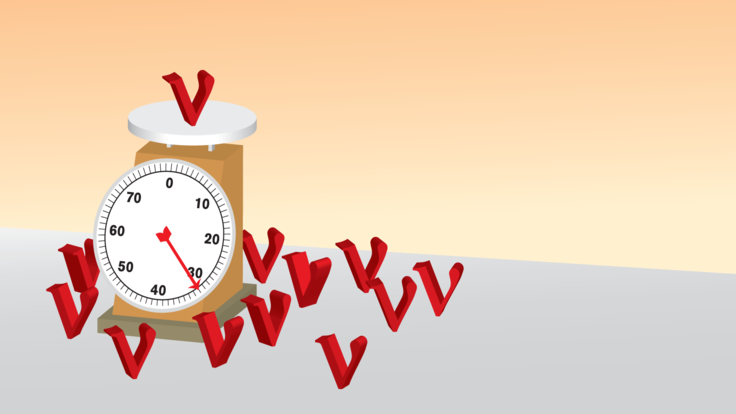
Neutrino masses are extremely difficult to measure. While we know precisely how much an electron weighs, we have little information on the mass of its neutral partner, the electron neutrino. The same is true of the muon neutrino and tau neutrino.
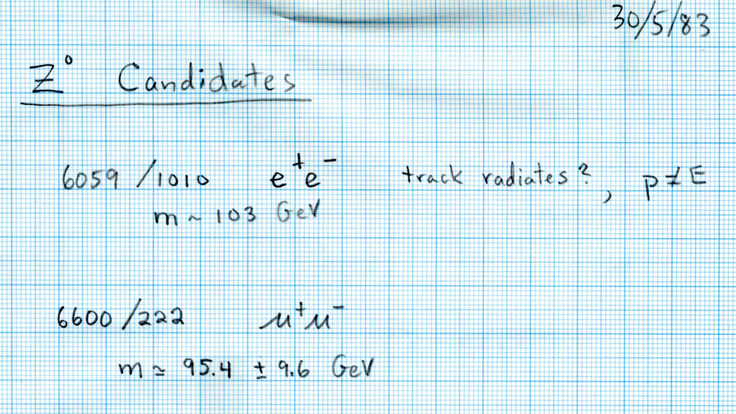
In May 1983, physicists on the UA1 detector for the Super Proton Synchrotron accelerator at CERN made the first definitive observations of the Z boson.
Donald Glaser of the University of California, Berkeley, won a Nobel Prize for inventing the bubble chamber in 1952 as a way of detecting subatomic particles. Now a University of Chicago professor, Juan Collar, is leading the charge to make the bubble chamber cool and cutting-edge again.
Parked between a shiny green Camaro and a remodeled '63 Mustang, a 1929 Ford Model A pickup-turned-hot rod is a mosaic of rust and rot. A rag plugs the radiator, and ancient wooden slats border the truck bed.
Some days Jerry Zimmerman calmly follows his typical morning routine and joins countless other suburbanites on the road to work. Then there are the other days. Those days Zimmerman takes on an alter-persona.