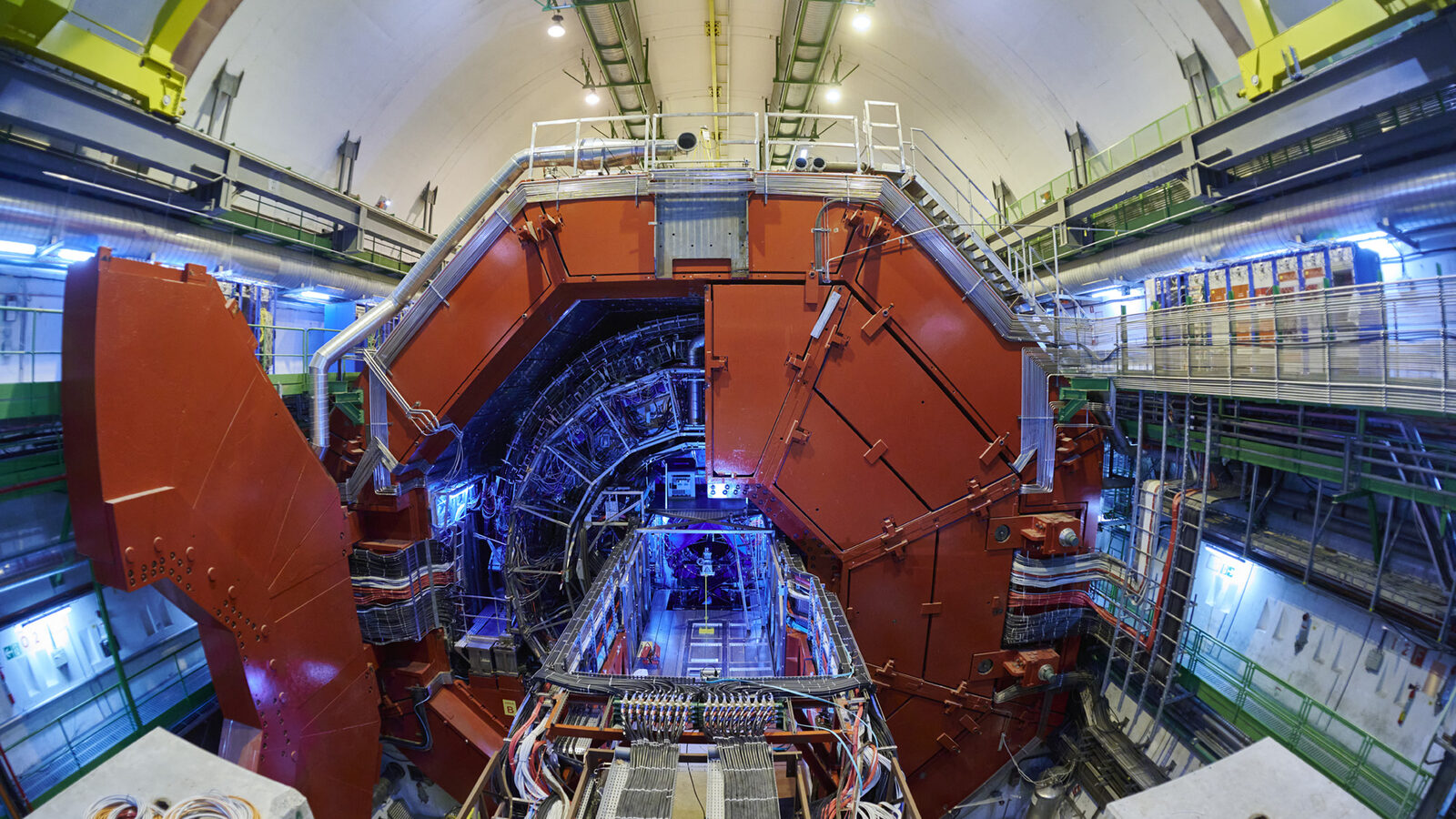
In 2023, the ALICE experiment was ready for their best year yet, until a mysterious signal threatened everything. As the LHC wraps up its 2025 lead-ion run, physicists recall how they worked together to solve the puzzle.
When it comes to getting rid of cancer, the sharpest scalpel may be a proton beam. Technology conceived and hatched in highenergy physics is now treating thousands of patients per year, with fewer side effects.
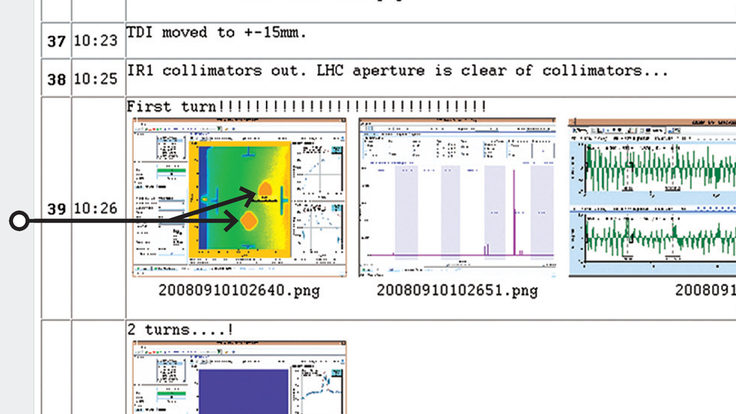
On September 10, 2008, scientists at the European laboratory CERN attempted for the first time to send a beam of particles around a new particle accelerator, the Large Hadron Collider.
Leon Lederman, a 1988 Nobel laureate and Fermilab physicist, plopped a folding table and two chairs on a busy New York City street corner and sat under colorful hand-scrawled signs offering to answer physics questions.
Comiket—short for Comic Market—is the world's largest comic convention. Held in Tokyo, it draws more than half a million people from all over the world to buy and selldoujinshi—self-published manga and graphic novels.
On the wall outside Cherrill Spencer's office, a scientific poster describes a prototype for a new type of accelerator magnet; a card thanks her for donating her long hair to make a wig for an ailing girl; and a scribbled note points to a spot on a map southeast of Novosibirsk, Russia.