A 100-meter-deep shaft at Fermilab—constructed for a neutrino experiment many years ago—will become home to a new quantum experiment that will explore the nature of dark matter and gravitational waves.
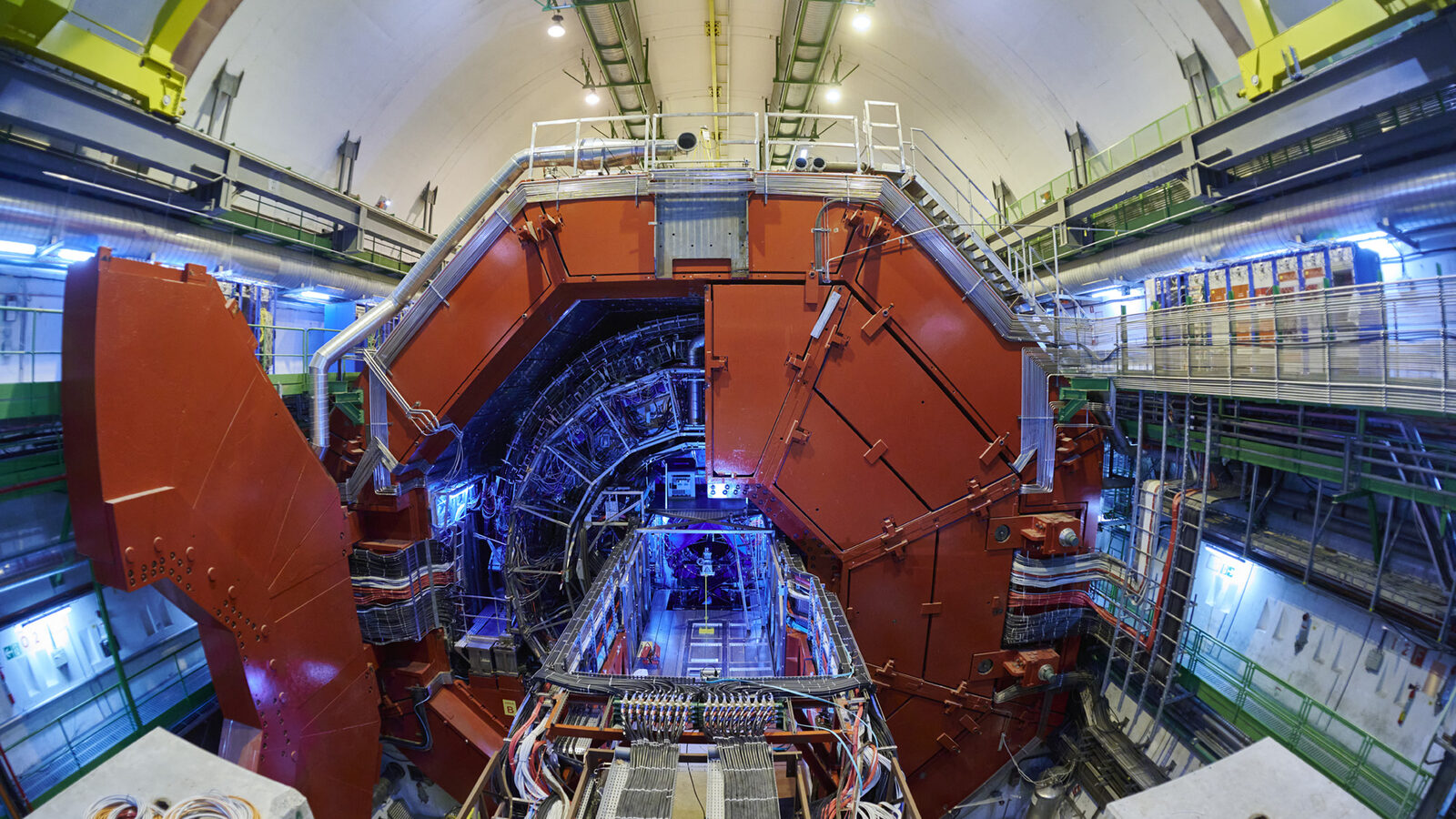
The LHC is in the first months of a two-year technical shutdown for maintenance and upgrades. During that time, lucky visitors can secure a place on an underground guided tour.
In 2023, the ALICE experiment was ready for their best year yet, until a mysterious signal threatened everything. As the LHC wraps up its 2025 lead-ion run, physicists recall how they worked together to solve the puzzle.
Marek Zreda and Darin Desilets of the University of Arizona approached airport security with a suitcase full of tubing, cables, electronic devices, and wires. The guard opened it. Lights started blinking.
If someone had told me when I was in high school that one day I would meet Stephen Hawking and have a meeting at NASA, I never could've guessed the trajectory I'd follow to get there. I would've assumed I had become a physicist.
At SLAC's Linear Café, a potato doesn't just go on your fork. It is your fork. The cafeteria began a green initiative about five months ago, abandoning traditional plastic spoons and plates in favor of biodegradable counterparts.
Behind every big breakthrough is a series of small steps that build on each other to enhance our understanding of the universe. At Fermilab's Tevatron Collider, physicists have been telling the unfolding story of their experiments in weekly installments for more than five years.
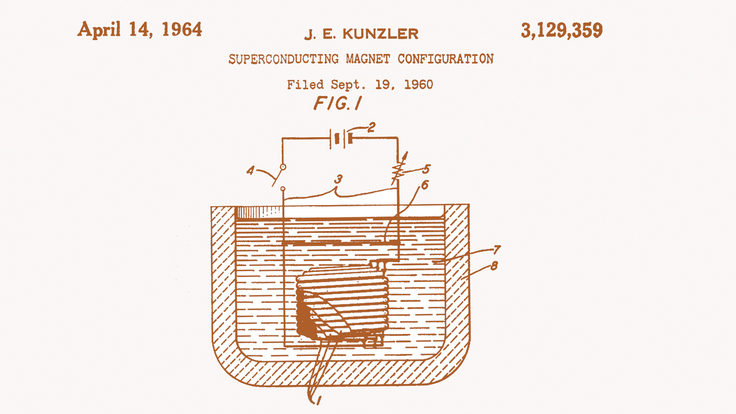
Today's MRI machines and particle accelerators wouldn’t exist without superconducting electromagnets, which generate powerful magnetic fields at a fraction of the energy cost of conventional electromagnets.
As the Pierre Auger Observatory in Argentina collects cosmic rays for science, its thousands of solar panels are collecting data that could make solar power cheaper, more efficient, and more reliable.