A 100-meter-deep shaft at Fermilab—constructed for a neutrino experiment many years ago—will become home to a new quantum experiment that will explore the nature of dark matter and gravitational waves.
The LHC is in the first months of a two-year technical shutdown for maintenance and upgrades. During that time, lucky visitors can secure a place on an underground guided tour.
In 2023, the ALICE experiment was ready for their best year yet, until a mysterious signal threatened everything. As the LHC wraps up its 2025 lead-ion run, physicists recall how they worked together to solve the puzzle.
Bluish lights flash on a grassy field, like giant fireflies angling for mates—sometimes a single flash, sometimes a ripple of light moving fast, as if suitors have given chase. Then all 16 lights flash at once, and the whole field glows.
The familiar elements of the Periodic Table come in a number of forms, or isotopessome found only fleetingly in the most violent events, such as exploding stars.
If someone had told me when I was in high school that one day I would meet Stephen Hawking and have a meeting at NASA, I never could've guessed the trajectory I'd follow to get there. I would've assumed I had become a physicist.
There are many ways to deliver a clever play on words: deliberately with a nudge, coyly with a wink, or tossed nonchalantly into a conversation to trigger a delayed laugh—or a groan.
Particle physics joins forces with other fields to look at two important factors shaping weather: temperatures high in the atmosphere and the dampness of the dirt beneath our feet.
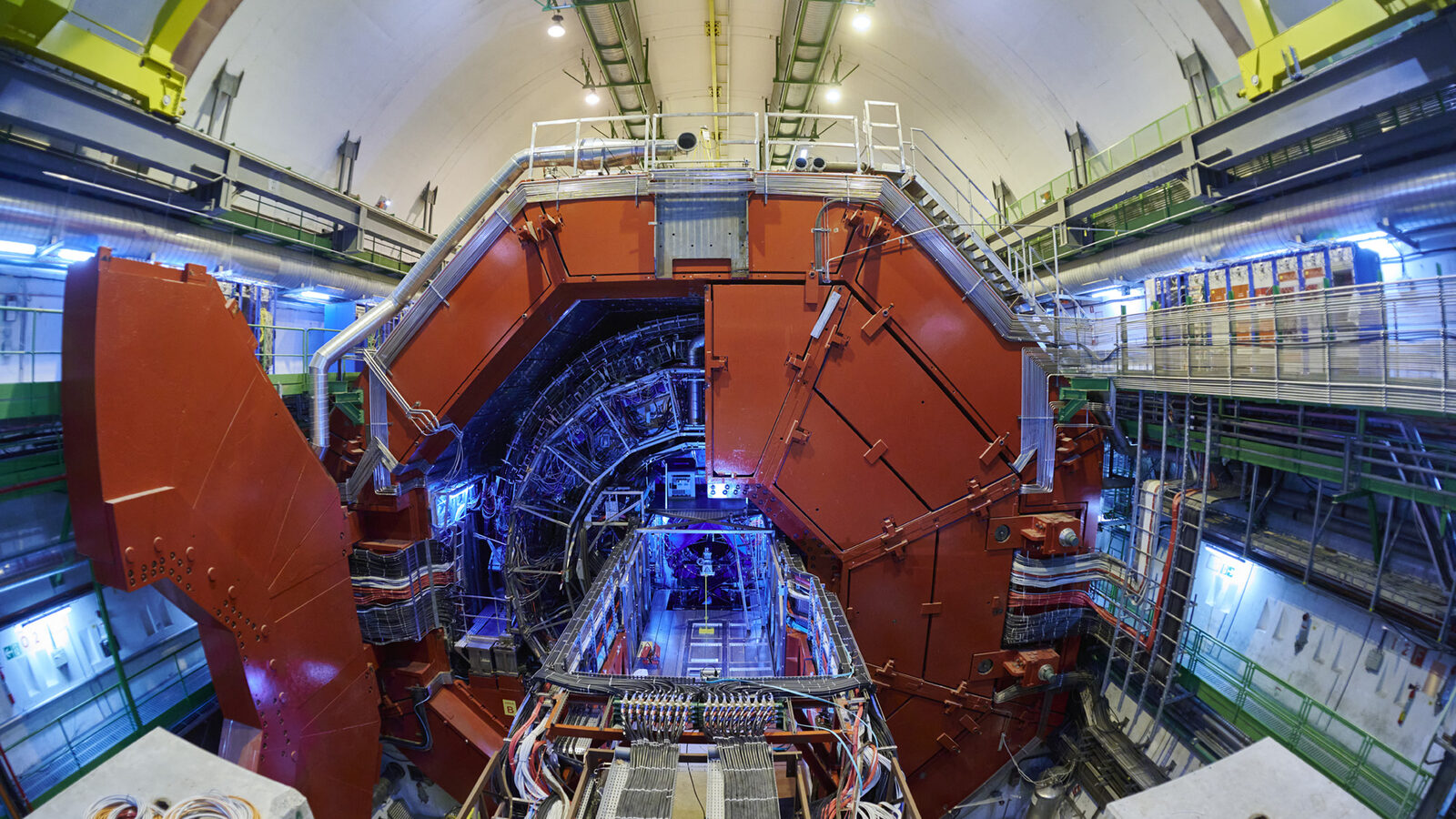
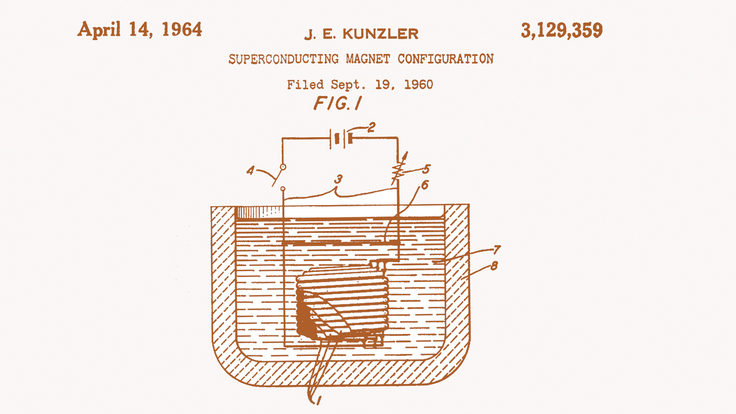
Today's MRI machines and particle accelerators wouldn’t exist without superconducting electromagnets, which generate powerful magnetic fields at a fraction of the energy cost of conventional electromagnets.
Many of the people trained in particle physics move on to jobs in industry, where their skills are in high demand. There you can find a theorist exploring for oil or an accelerator scientist working on cancer treatments.
When it comes to getting rid of cancer, the sharpest scalpel may be a proton beam. Technology conceived and hatched in highenergy physics is now treating thousands of patients per year, with fewer side effects.