A 100-meter-deep shaft at Fermilab—constructed for a neutrino experiment many years ago—will become home to a new quantum experiment that will explore the nature of dark matter and gravitational waves.
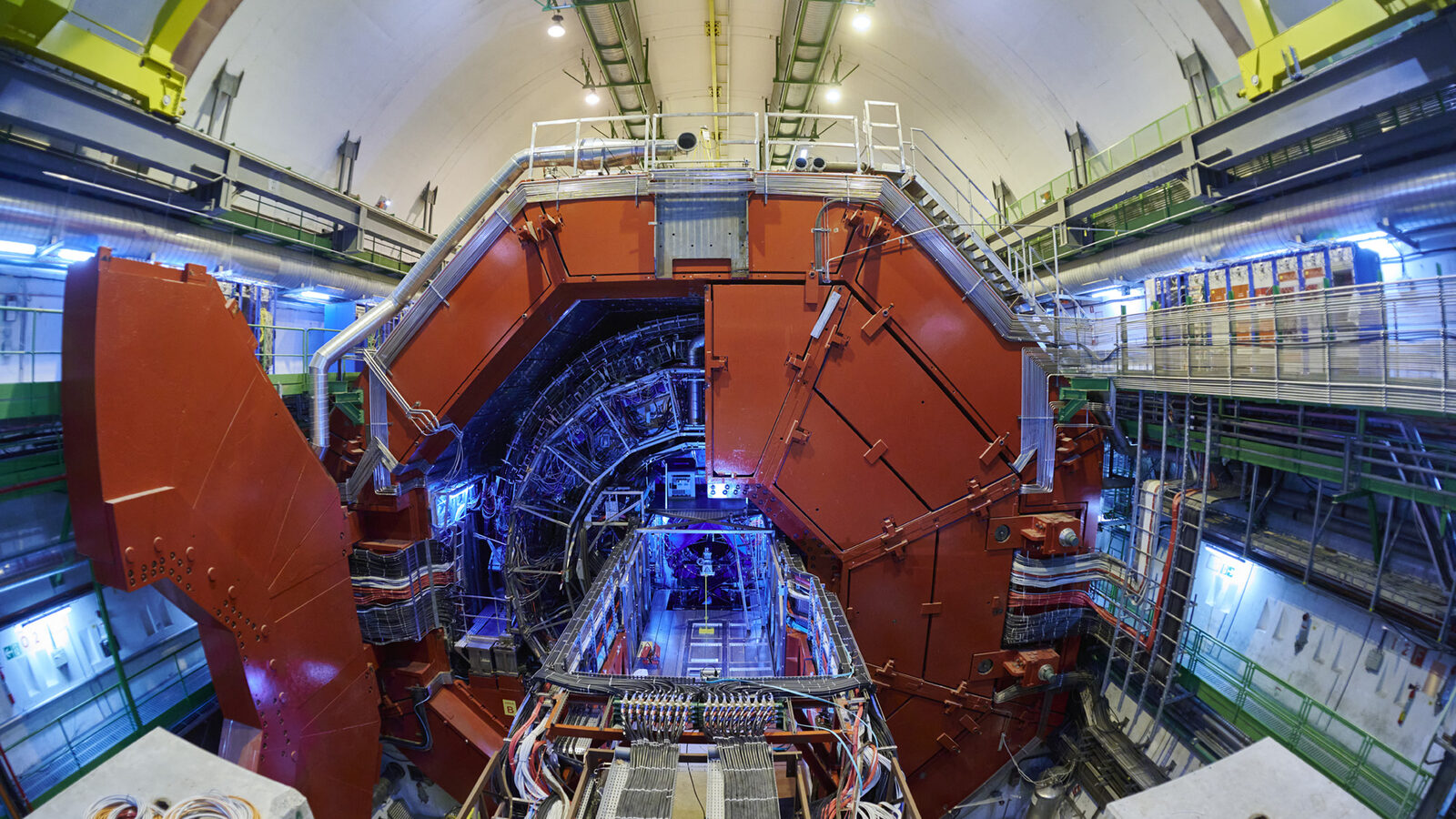
The LHC is in the first months of a two-year technical shutdown for maintenance and upgrades. During that time, lucky visitors can secure a place on an underground guided tour.
In 2023, the ALICE experiment was ready for their best year yet, until a mysterious signal threatened everything. As the LHC wraps up its 2025 lead-ion run, physicists recall how they worked together to solve the puzzle.
If someone had told me when I was in high school that one day I would meet Stephen Hawking and have a meeting at NASA, I never could've guessed the trajectory I'd follow to get there. I would've assumed I had become a physicist.
Jorge Cham's popular comic strip about the lives of hapless grad students takes him to the Large Hadron Collider—and launches a series of comics that explains the science with remarkable clarity.
Marek Zreda and Darin Desilets of the University of Arizona approached airport security with a suitcase full of tubing, cables, electronic devices, and wires. The guard opened it. Lights started blinking.
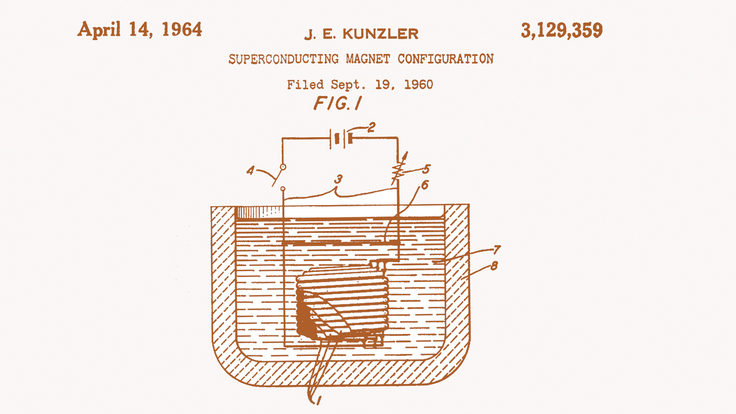
Today's MRI machines and particle accelerators wouldn’t exist without superconducting electromagnets, which generate powerful magnetic fields at a fraction of the energy cost of conventional electromagnets.
Michael Miller watches grass grow for a living—super grass, of sorts, grass that could fuel a car and reduce carbon dioxide emissions at the same time.