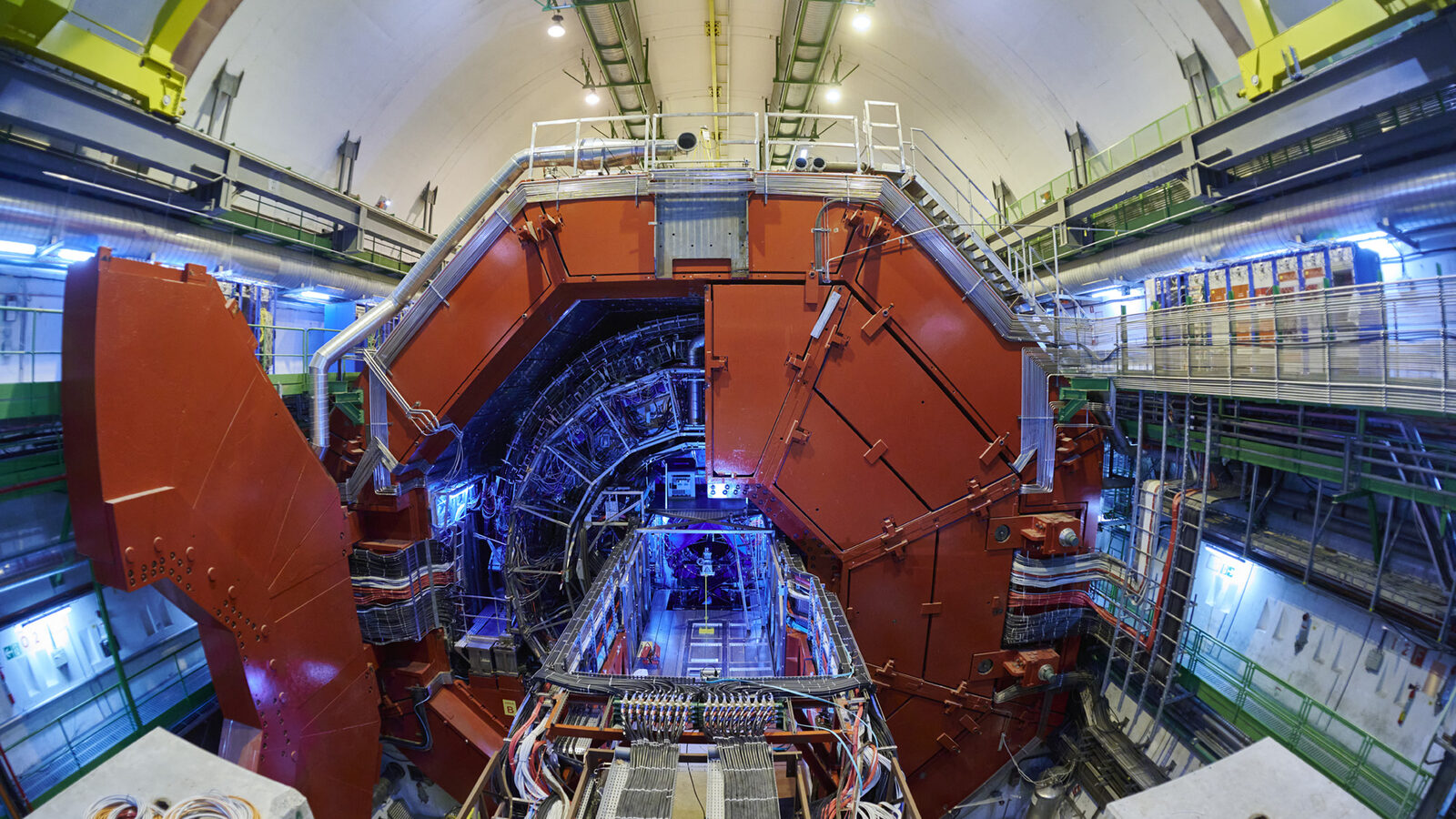
In 2023, the ALICE experiment was ready for their best year yet, until a mysterious signal threatened everything. As the LHC wraps up its 2025 lead-ion run, physicists recall how they worked together to solve the puzzle.
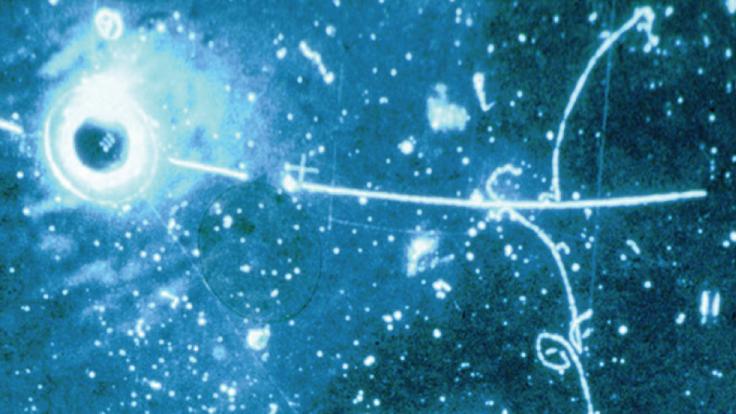
The Gargamelle collaboration at the European laboratory CERN began operating its bubble chamber in the early 1970s, shooting neutrinos through 12,000 liters of Freon, a heavy liquid.
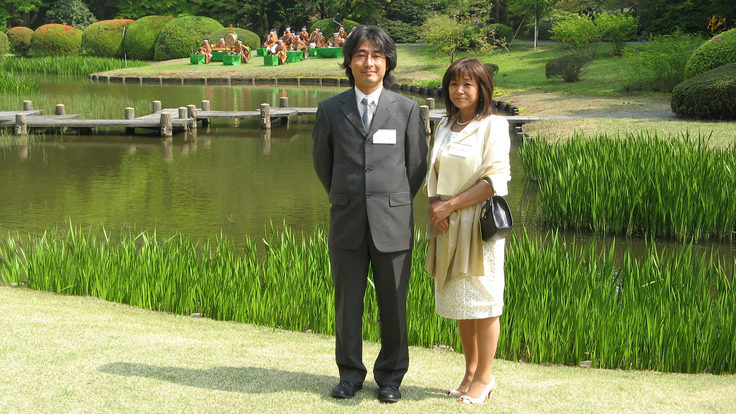
In Japanese, Takuya Urunos first name means "pioneer." In his 25-year career as a professional Manga artist, Uruno has been steadfast in living up to the title.
When I assumed the position of director of the Institute for the Physics and Mathematics of the Universe (IPMU), my smart-mouthed friends joked that I became the Director of the Universe.
Tom Peterson loves hunting season. He spends his lunch hours scouting the best spots, and weekends lurking around the edges of Fermilab's ponds and moving as silently as he can through old fields.
Imagine a house-sized acrylic fishbowl inside a giant, shiny, disco-ball-like sphere, suspended in a cavern as tall as a 10-story building. Now imagine climbing around inside that pitch-dark fishbowl with a squeegee and a flashlight.