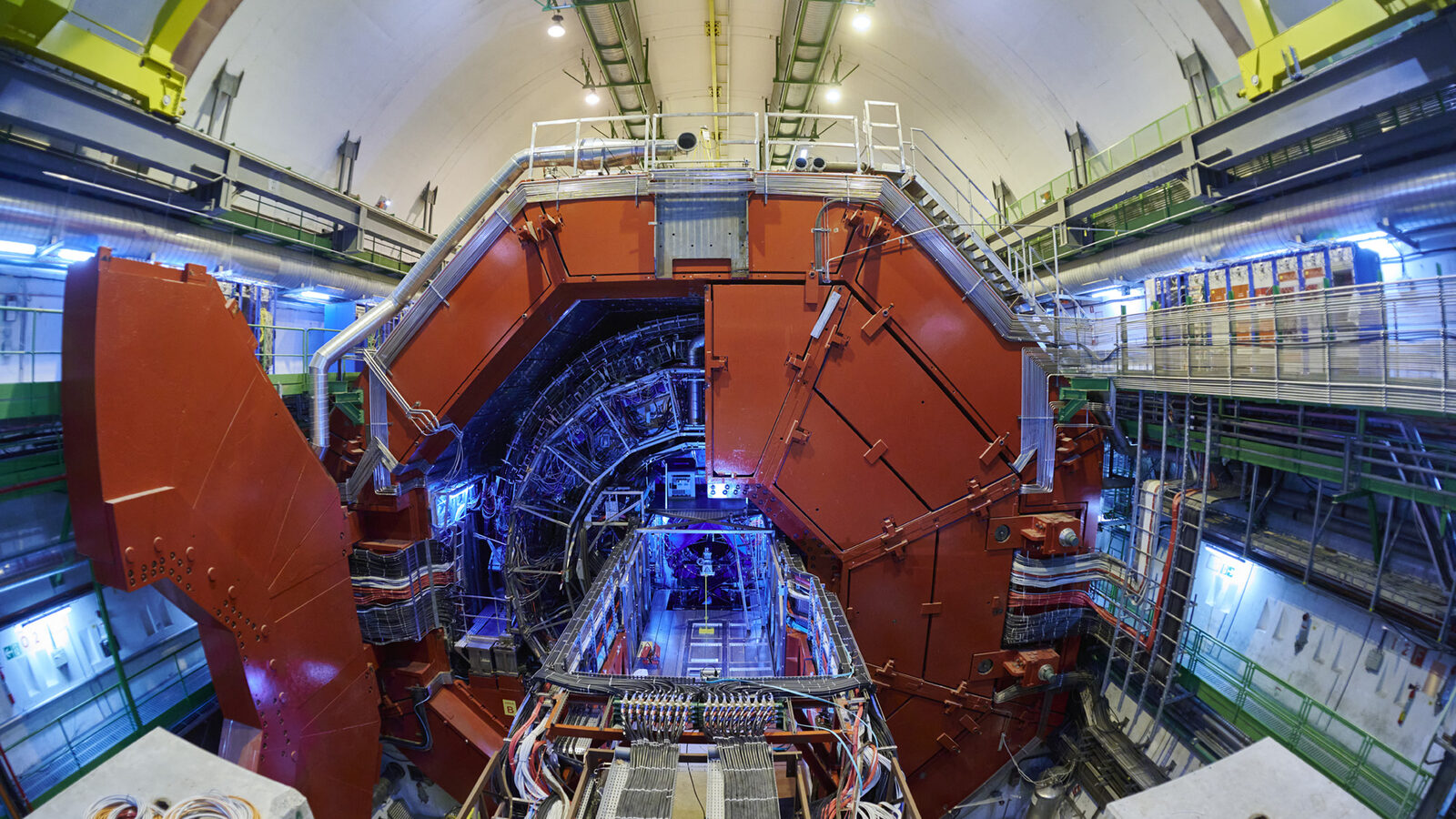
In 2023, the ALICE experiment was ready for their best year yet, until a mysterious signal threatened everything. As the LHC wraps up its 2025 lead-ion run, physicists recall how they worked together to solve the puzzle.
Mark Hanhardt spent his childhood exploring caverns and watching his dad, who was a miner, come home from work covered in dust. Still, he had no interest in working underground.
For most scientists, membership in a Large Hadron Collider experiment is a ticket to research at a frontier of particle physics. For Hafeez Hoorani, it also marked his country’s first step toward building a tradition of experimental particle physics research.
Who would you drive 10½ hours to see? The Grateful Dead? The Dalai Lama? What about an old, friendly guy who reads a lot and is really good at physics?
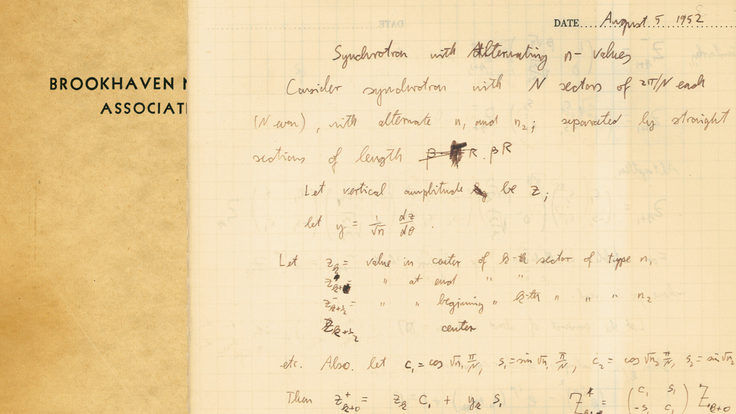
In the summer of 1952, physicists at Brookhaven National Laboratory's Cosmotron particle accelerator were preparing for a visit from scientists planning their own, more powerful, accelerator at a new European lab called CERN.
A report from the field on the vital roles that accelerators play in energy and the environment, medicine, industry, national security and defense, and discovery science will inform strategic planning for accelerator science and technology by DOE's Office of Science.