Recent measurements of particles called B mesons deviate from predictions. Alone, each oddity looks like a fluke, but their collective drift is more suggestive.
The difficult-to-detect neutrino seems to undergo a strange identity-flipping process, and if this reaction occurs differently between neutrinos and antineutrinos, then it could help physicists explain why matter dominates over antimatter.
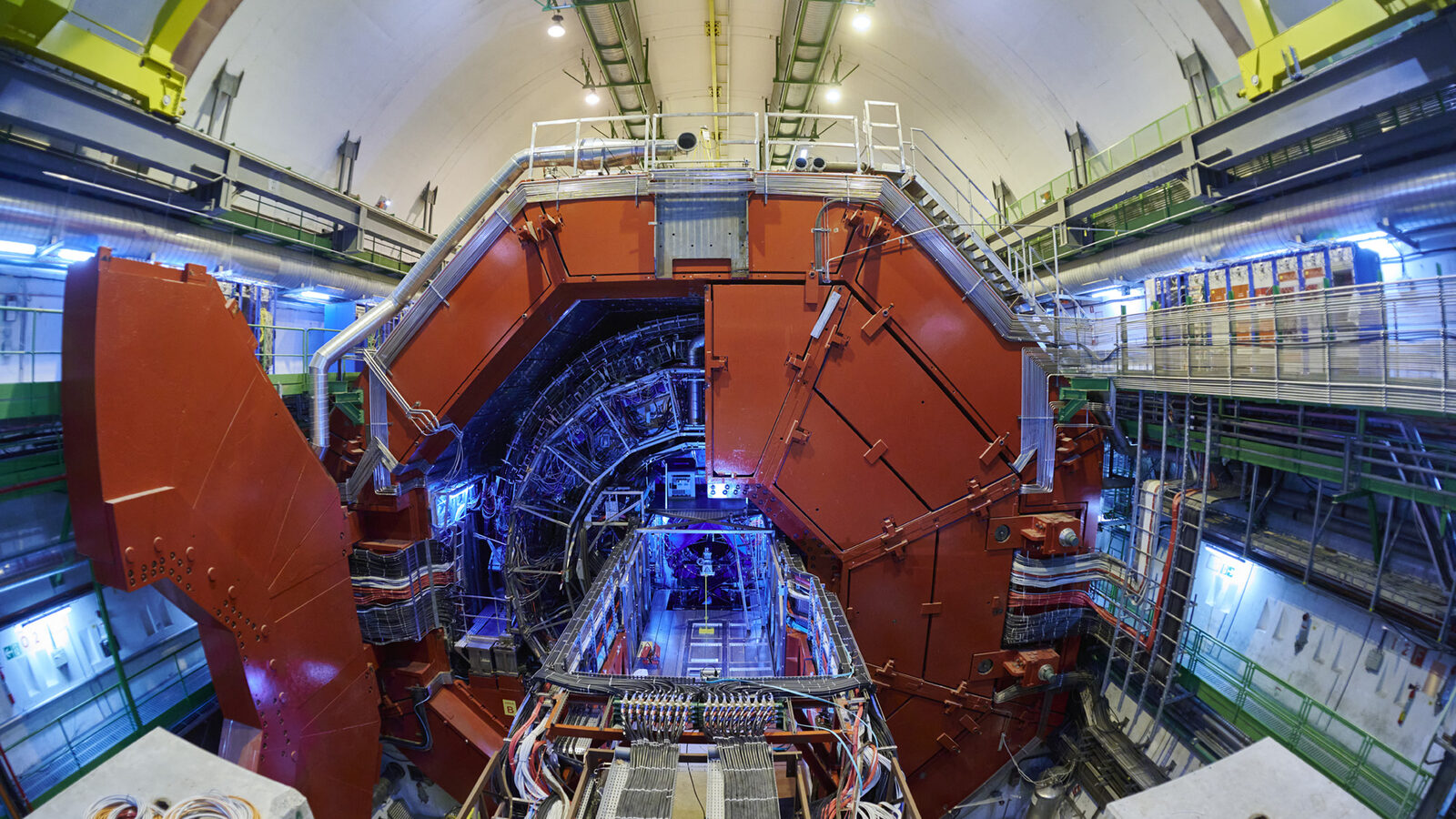
In 2023, the ALICE experiment was ready for their best year yet, until a mysterious signal threatened everything. As the LHC wraps up its 2025 lead-ion run, physicists recall how they worked together to solve the puzzle.
Recently members of a group playing an online game called Foldit were able to solve a 15-year-old problem—determining the complex structure of an HIV protein—in just two weeks. This was made possible through citizen cyberscience.
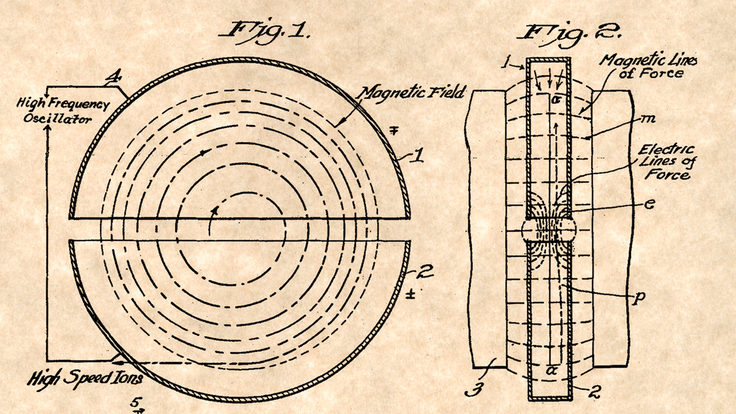
Just after 2:30 p.m. on Sept. 30, Fermilab accelerator pioneer Helen Edwards prepared to stop the circulation of subatomic particles in the Tevatron collider for the last time. She was a fitting choice; Edwards and her husband, Don, had led the Tevatron start-up nearly three decades earlier.
Have you ever sat in an open field at night, looked up at the vast number of stars and thought, “I bet an artificial brain would come in handy for making sense of all this”? You might if you were planning the best way for NASA to map the sky.
Maria Goeppert Mayer left an indelible stamp on the history of physics. Now the US Postal Service has honored the nuclear physicist with a stamp of her own.
Would you walk 10,000 steps for a piece of glass the size of a deck of cards? What if that piece of glass were part of an astrophysics experiment to warn people about potentially deadly asteroids zooming toward Earth and make a 3D map of the universe?