An international team of more than 170 physicists published the most reliable prediction so far for the theoretical value of the muon’s anomalous magnetic moment
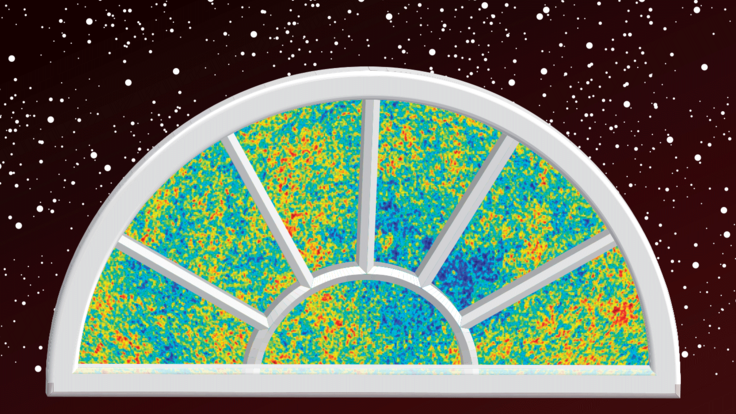
Scholars said they would not hold classes or lectures on Wednesday, and leading journals and scientific associations said they would not announce most breakthroughs.
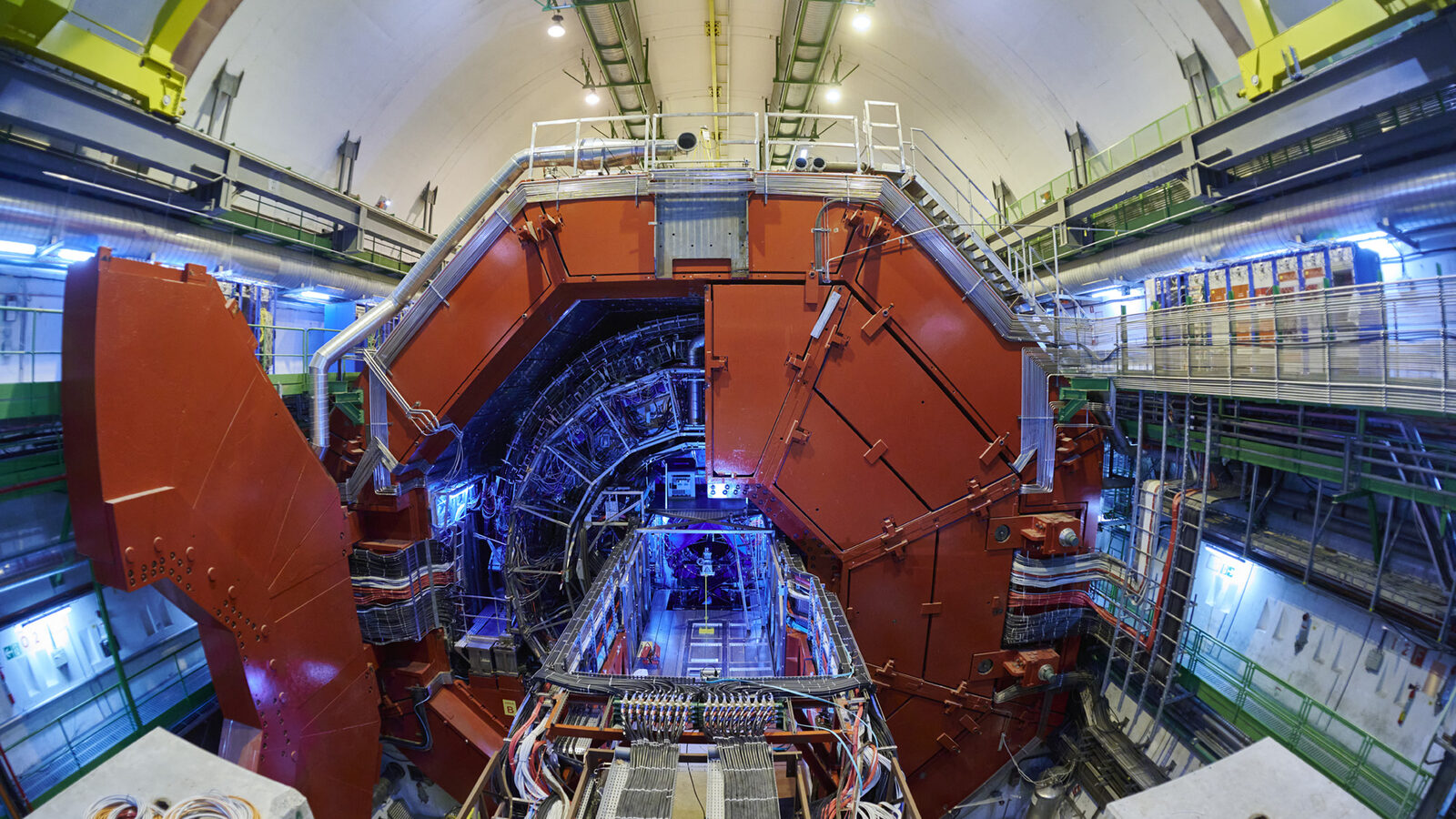
In 2023, the ALICE experiment was ready for their best year yet, until a mysterious signal threatened everything. As the LHC wraps up its 2025 lead-ion run, physicists recall how they worked together to solve the puzzle.
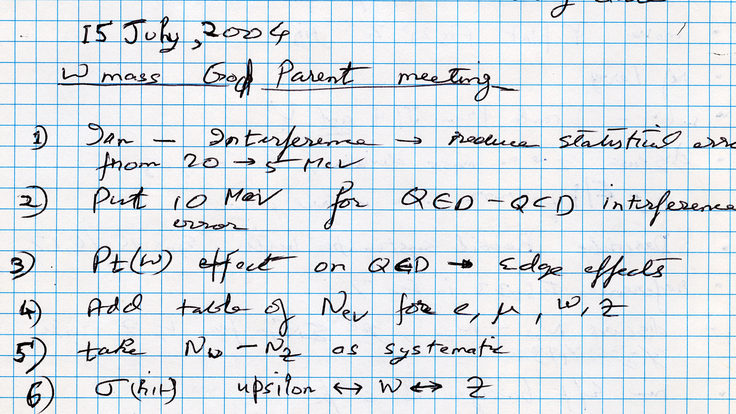
The W boson mass is one of the fundamental ingredients that scientists use to calculate particle physics properties, such as the most likely mass of the soughtafter Higgs particle.
How the public release of data from the Fermi Gamma-ray Space Telescope’s main instrument has affected the hundreds of researchers who use it—and resulted in more and better science.
Recently members of a group playing an online game called Foldit were able to solve a 15-year-old problem—determining the complex structure of an HIV protein—in just two weeks. This was made possible through citizen cyberscience.
Just after 2:30 p.m. on Sept. 30, Fermilab accelerator pioneer Helen Edwards prepared to stop the circulation of subatomic particles in the Tevatron collider for the last time. She was a fitting choice; Edwards and her husband, Don, had led the Tevatron start-up nearly three decades earlier.
Have you ever sat in an open field at night, looked up at the vast number of stars and thought, “I bet an artificial brain would come in handy for making sense of all this”? You might if you were planning the best way for NASA to map the sky.