Construction workers have carried out the first underground blasting for the Long-Baseline Neutrino Facility, which will provide the space, infrastructure and particle beam for the international De
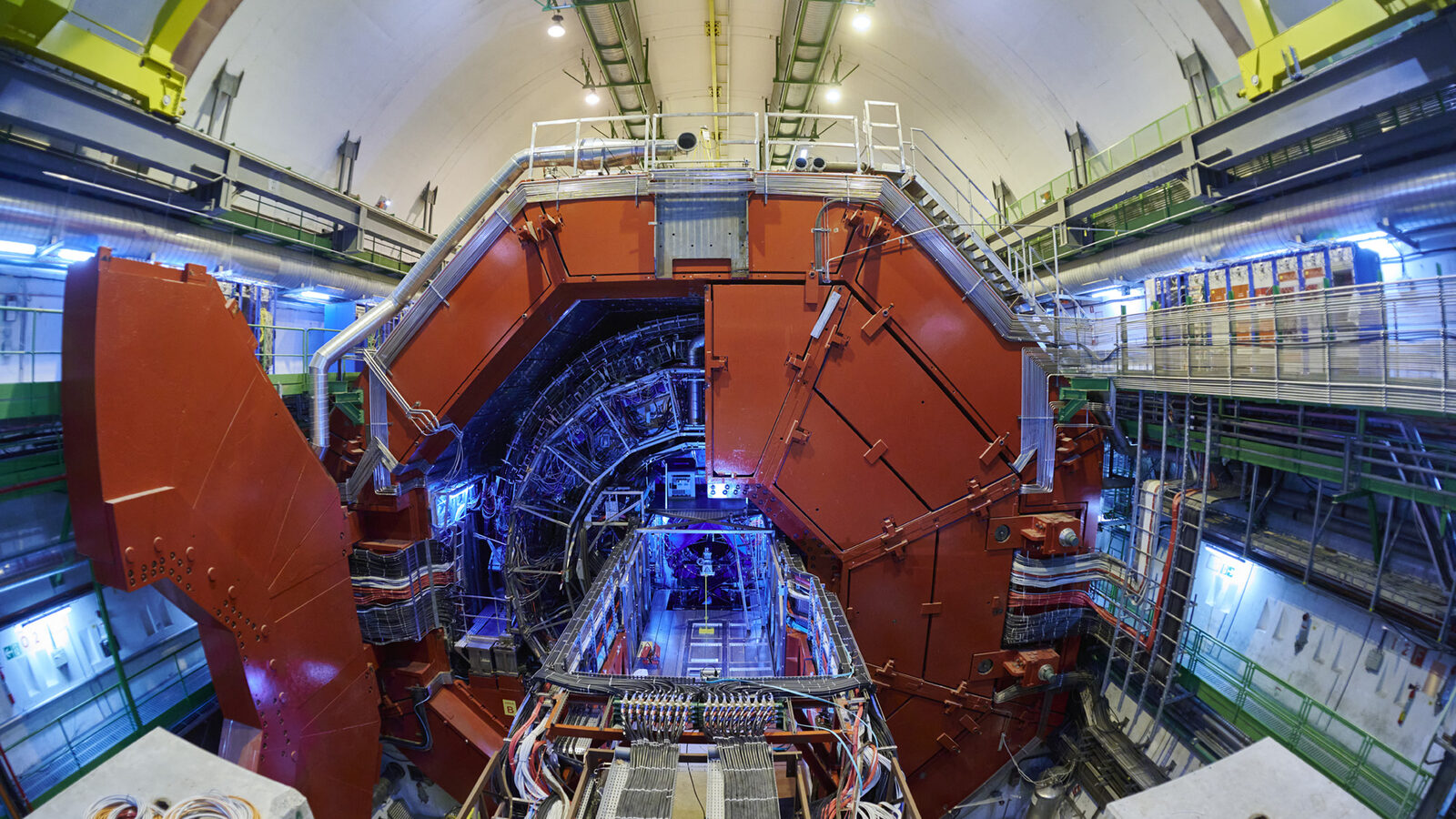
In 2023, the ALICE experiment was ready for their best year yet, until a mysterious signal threatened everything. As the LHC wraps up its 2025 lead-ion run, physicists recall how they worked together to solve the puzzle.
Particles like the top quark weren’t the only characters to appear at Fermilab’s Tevatron. A physicist waxes nostalgic as scientists prepare to celebrate the accelerator’s contributions to science, technology and society at a symposium this month.
The muon—the short-lived cousin of the electron—could be the key to understanding relationships between other fundamental particles. And it holds a mystery all its own.
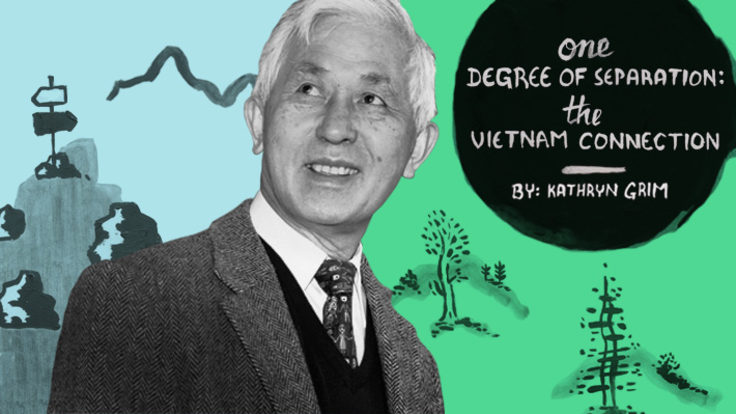
Physicist Jean Tran Thanh Van, creator of one of the most prestigious particle physics conferences, is the king of connections. His humanitarian efforts, combined with his vision of a cohesive international particle physics community, have now led him back to his home country of Vietnam.
Light dark photons? Dark Higgs bosons? Scientists look for signs of these weird-sounding particles in data from BaBar—an experiment designed to explain a completely different mystery.
Almost a mile underground, in a new science facility in South Dakota, scientists of the LUX collaboration are building the world's largest dark-matter search experiment.
Physicists have used advances in accelerator technology to develop a revolutionary machine-the Linac Coherent Light Source-for exploring the world on the smallest and fastest scales. Physicist Herman Winick describes the start of the LCLS and the spectacular results that are now rolling in.