After repurposing facial recognition and deepfake tech to study galaxies and the Higgs boson, physicists think they can help shape the responsible use of AI.
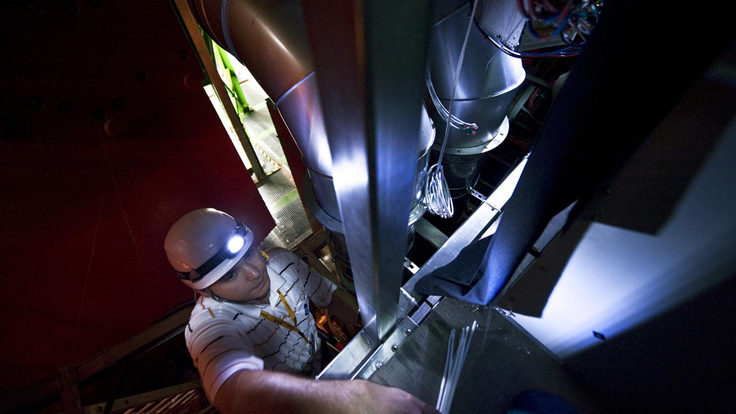
Fermilab’s ICEBERG particle detector is effectively a miniature version of component that tracks neutrinos in the international Deep Underground Neutrino Experiment.
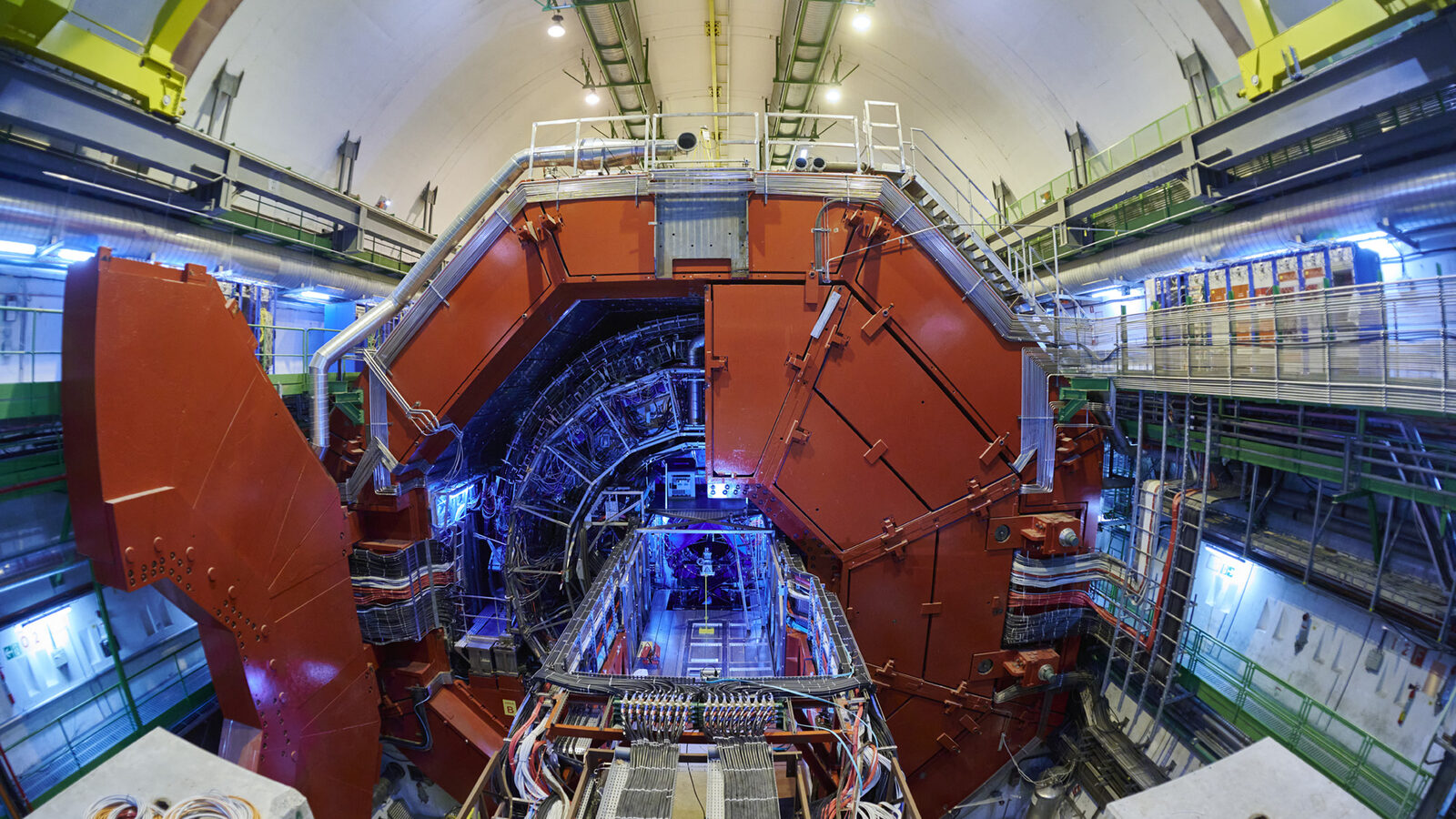
In 2023, the ALICE experiment was ready for their best year yet, until a mysterious signal threatened everything. As the LHC wraps up its 2025 lead-ion run, physicists recall how they worked together to solve the puzzle.
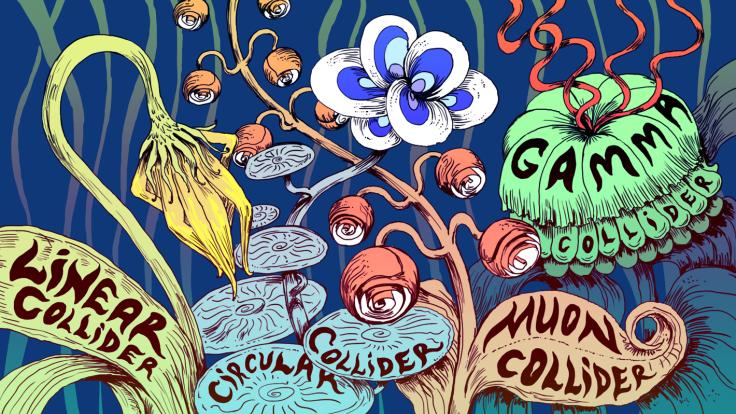
Now that a Higgs-like boson has been discovered at the Large Hadron Collider, proposals to build colliders that churn out the new particle are gathering momentum.
Physicists from all over the world work the night shift to guide the Large Hadron Collider and its particle detectors from sunset to sunrise. Take a peek into two of the five CERN control rooms that are staffed 24 hours a day.
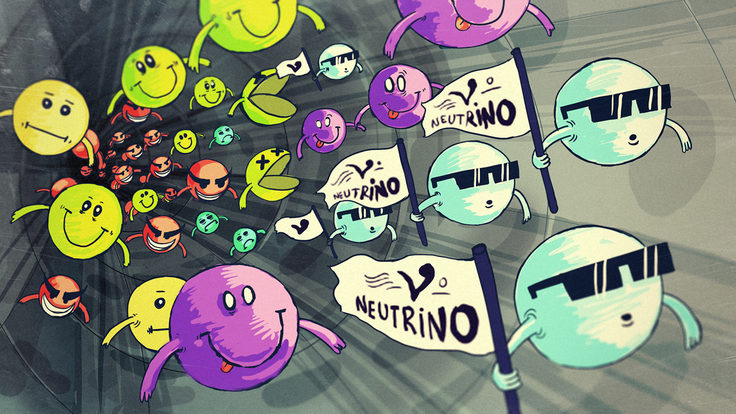
Neutrinos are elusive particles that are difficult to study, yet they may help explain some of the biggest mysteries of our universe. Using accelerators to make neutrino beams, scientists are unveiling the neutrinos’ secrets.
A growing number of scientists are looking for ways to join a dream team of experiments in a unique laboratory a mile and a half underground in Ontario. There, they seek to solve some of the biggest mysteries in physics today, including the case of missing dark matter.
In late October, 30 scientists spent two days in a communication workshop, learning that successful communication is both simpler and riskier than they realized.