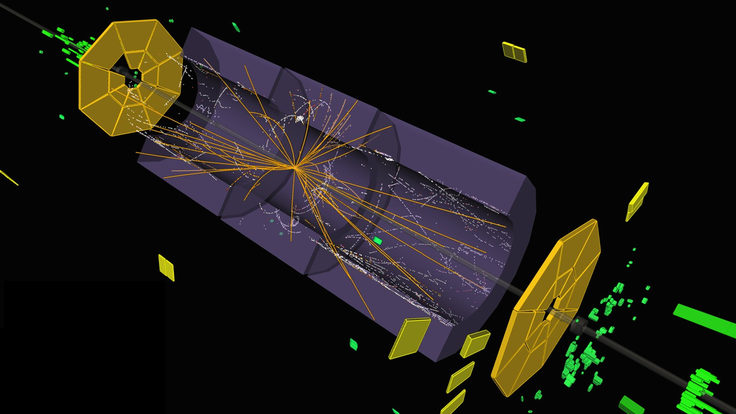
Ground-breaking image reconstruction and analysis algorithms developed for surface-based MicroBooNE detector filter out cosmic ray tracks to pinpoint elusive neutrino interactions with unprecedented clarity.
Circumstantial evidence could point to a mind-blowing solution to an antimatter mystery—or to the need for better space-based particle physics experiments.
The latest results draw on data from the first three years—226 million galaxies observed over 345 nights—to create the largest and most precise maps yet of the distribution of galaxies in the universe at relatively recent epochs.
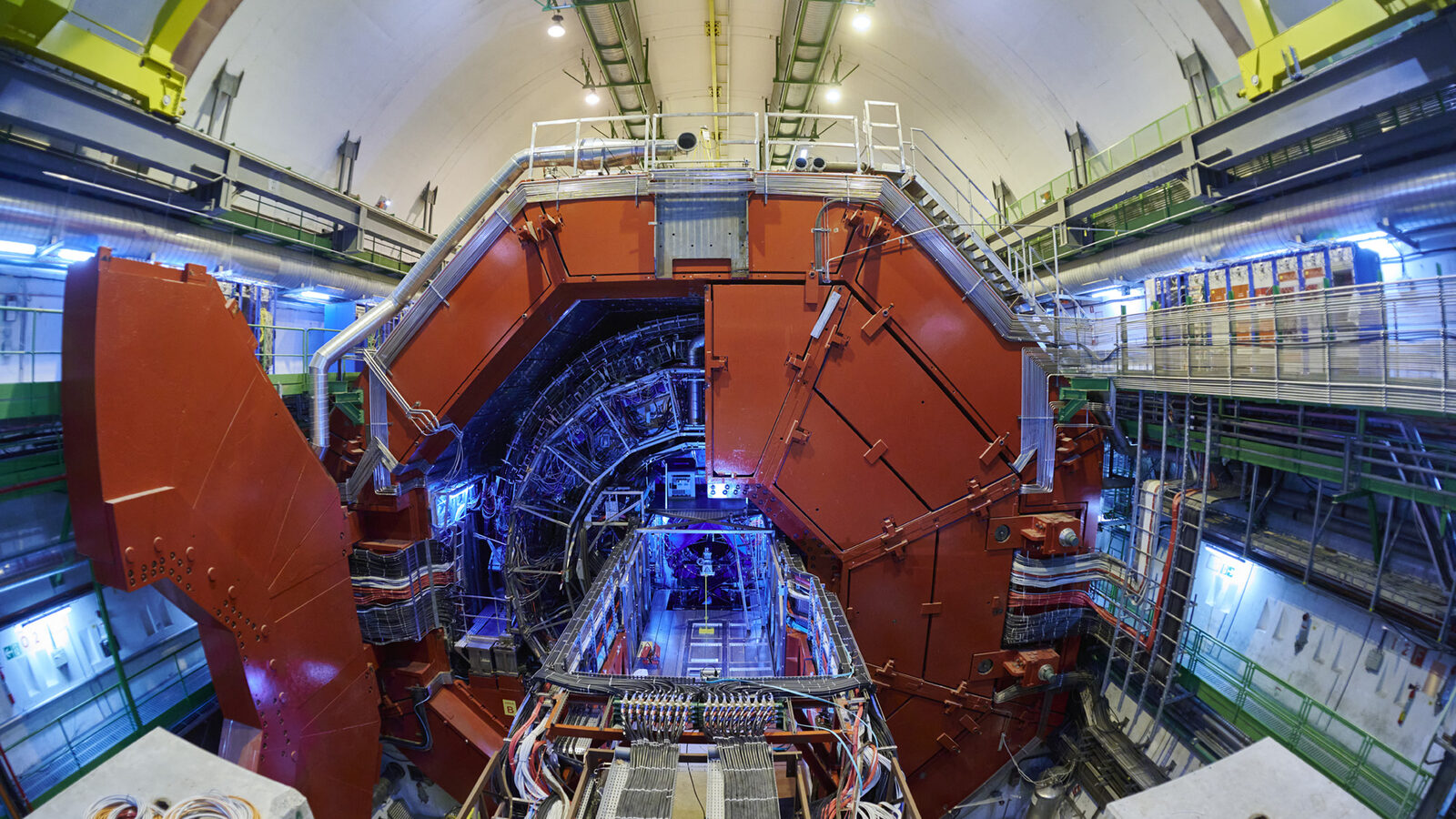
In 2023, the ALICE experiment was ready for their best year yet, until a mysterious signal threatened everything. As the LHC wraps up its 2025 lead-ion run, physicists recall how they worked together to solve the puzzle.
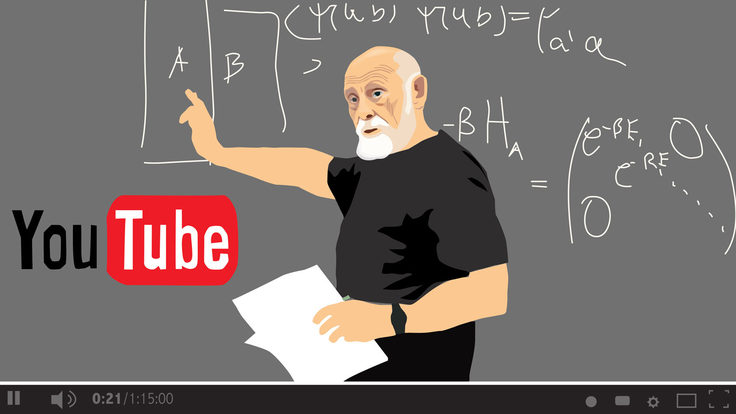
During a day of talks at Stanford University, theoretical physicist Leonard Susskind explained “Why I Teach Physics to Old Codgers, and How It Got to Be a YouTube Sensation.”
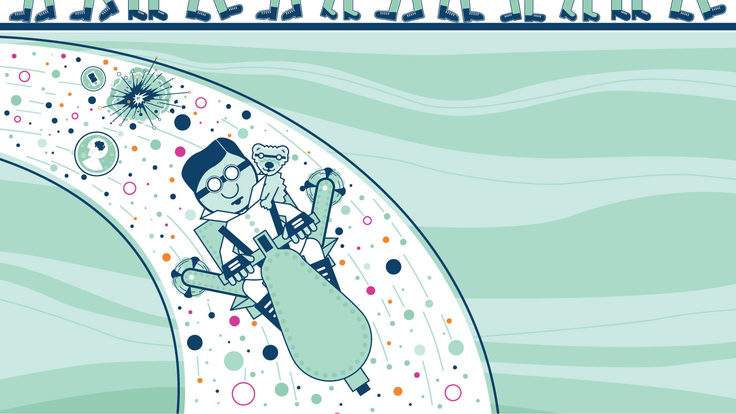
From accelerators unexpectedly beneath your feet to a ferret that once cleaned accelerator components, Symmetry shares some lesser-known facts about particle accelerators.
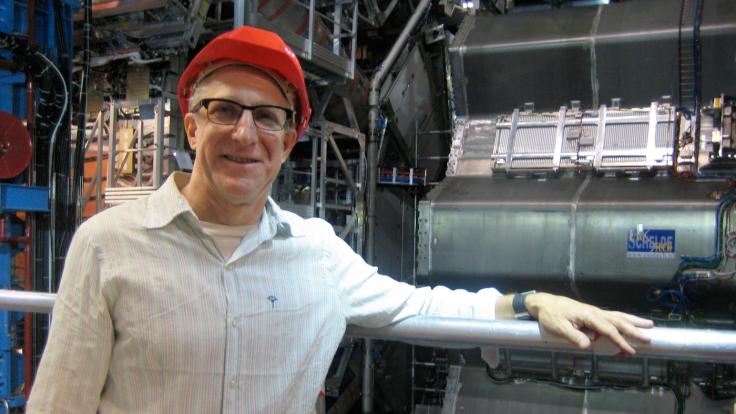
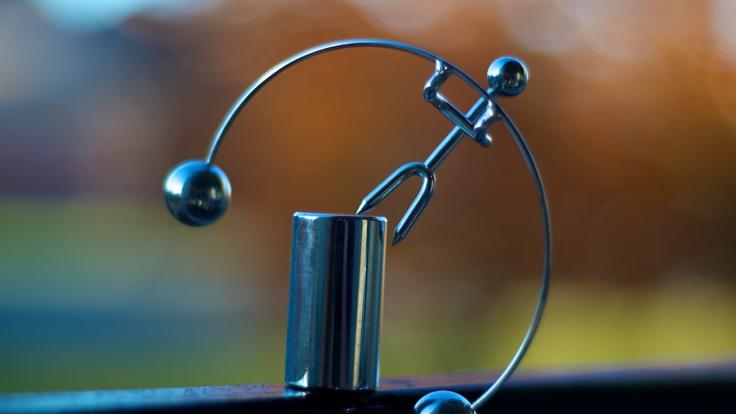
Physicist Aaron Chou keeps the Holometer experiment—which looks for a phenomenon whose implications border on the unreal—grounded in the realities of day-to-day operations.