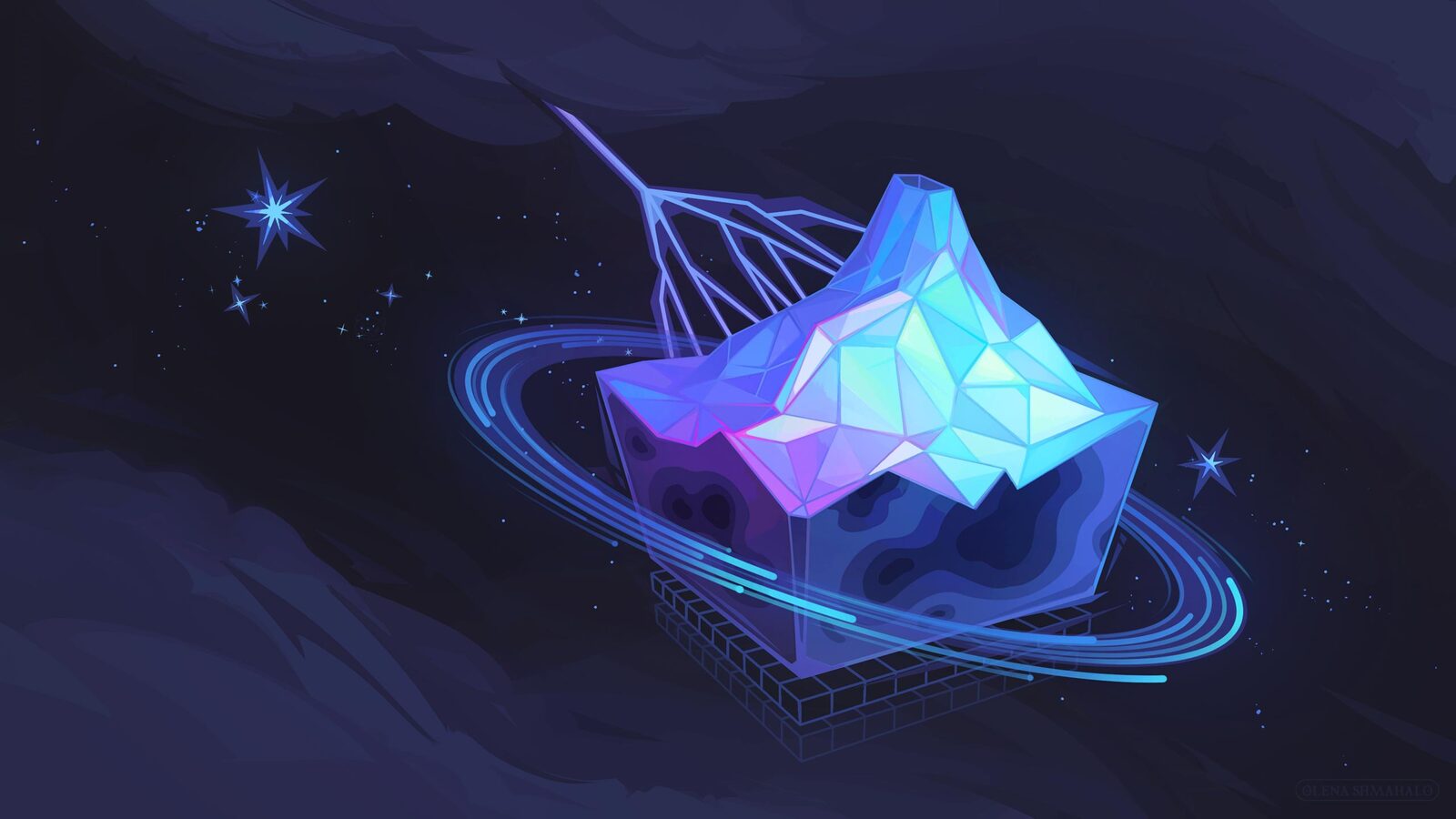
Chinese scientists have carved out a space in the heart of a mountain where a search for dark matter will soon begin. It's just the first taste of what they hope to do there: Create the world's largest, deepest underground laboratory.
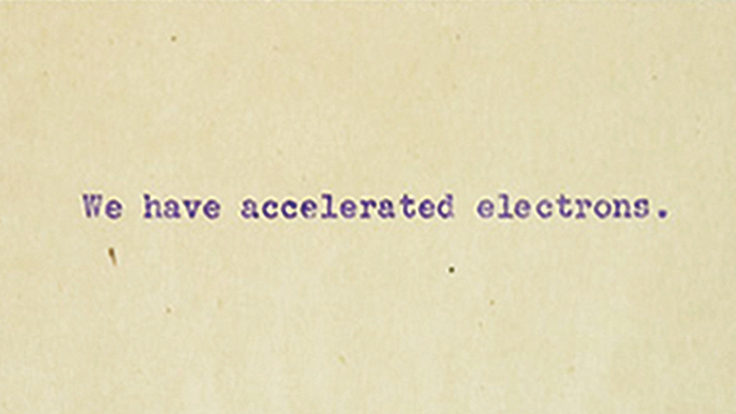
On April 28, 1947 Stanford Linear Electron Accelerator Project Report No. 7 announced the realization of a dream 15 years in the making: the linear acceleration of electrons.
Long after the hard shaking stops, an earthquake's seismic waves reverberate around the world, imperceptibly rocking the ground. As one seismologist puts it, a great earthquake causes every grain of sand on Earth to dance.
What opera and physics may have in common, more than anything else, is their tendency to make most people cringe or fall asleep. Can an avant-garde opera that compares self-exploration to the physics of multiple dimensions invigorate audiences?
For a growing number of so-called Nerdcore rappers, the message is that people need to support basic research and math and science education if they want to hand future generations a nation worth bragging about.
Every so often, particle physics communicators from labs around the world gather to swap strategies for getting people interested in science. At the group's April meeting in Japan, the big hit was toilet paper.
Since its launch in June 2008, the Fermi Gamma-ray Space Telescope has shed light on some of the brightest, most explosive events in the universe and opened tantalizing windows into dark matter and the nature of space-time.