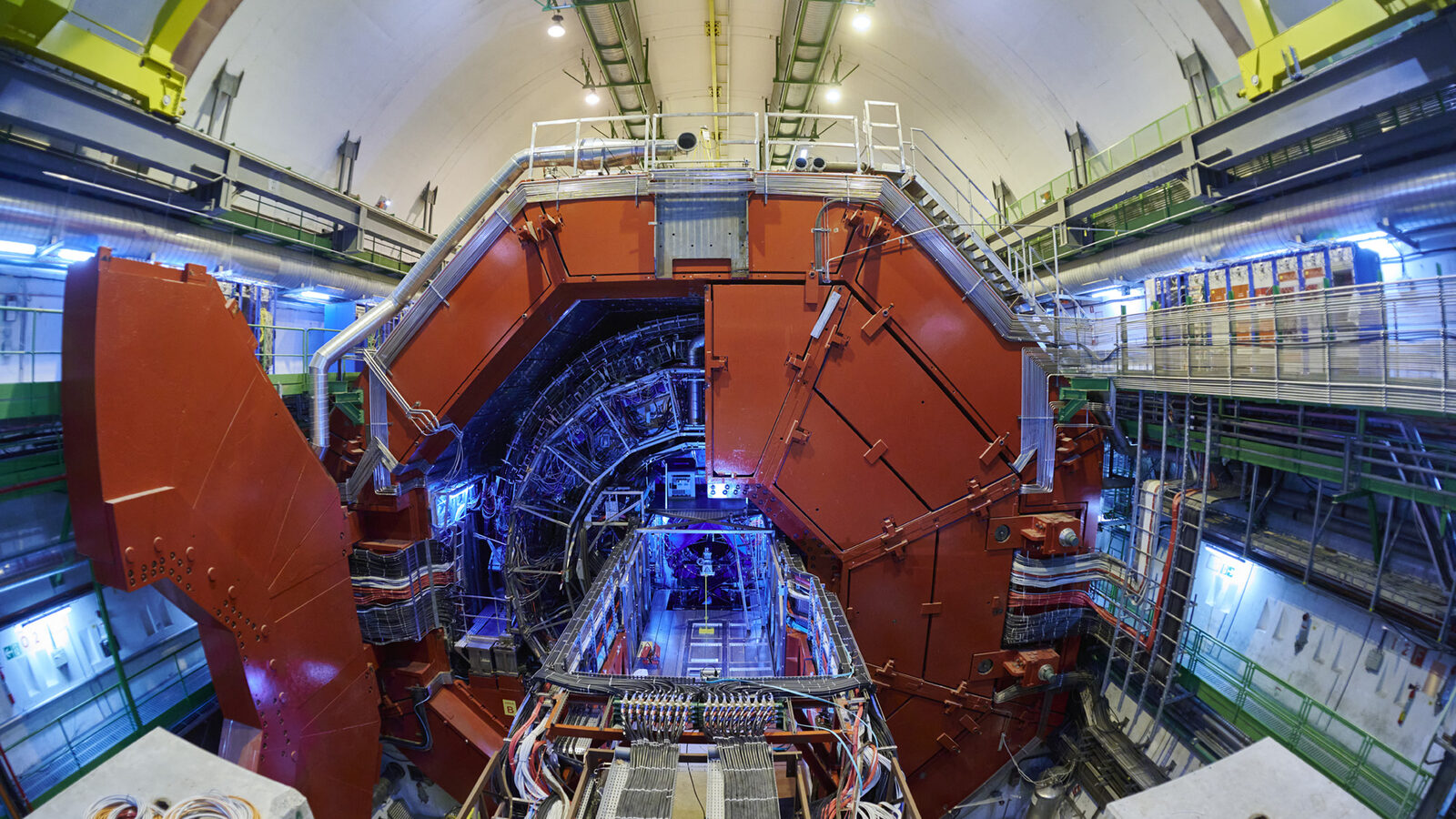
In 2023, the ALICE experiment was ready for their best year yet, until a mysterious signal threatened everything. As the LHC wraps up its 2025 lead-ion run, physicists recall how they worked together to solve the puzzle.
The life-saving medical technology known as Magnetic Resonance Imaging, or MRI, makes detailed images of soft tissue in the body, nearly eliminating the need for exploratory surgery.
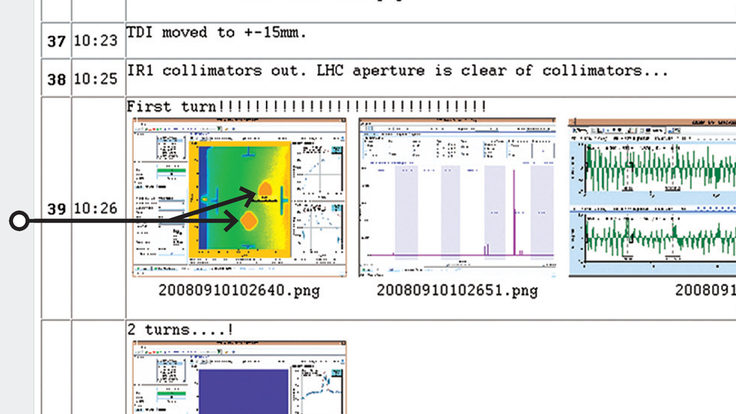
On September 10, 2008, scientists at the European laboratory CERN attempted for the first time to send a beam of particles around a new particle accelerator, the Large Hadron Collider.
On the wall outside Cherrill Spencer's office, a scientific poster describes a prototype for a new type of accelerator magnet; a card thanks her for donating her long hair to make a wig for an ailing girl; and a scribbled note points to a spot on a map southeast of Novosibirsk, Russia.
The Fermilab boneyard is no burial ground; its a place where unwanted parts find new homes and lives. Theyre matched with scientists who can put them to good use, donated to local schools and parks, or sold for recycling.