To support a more inclusive and diverse laboratory, Fermilab is hosting a series of presentations designed to share information, challenge assumptions and supply tools for change.
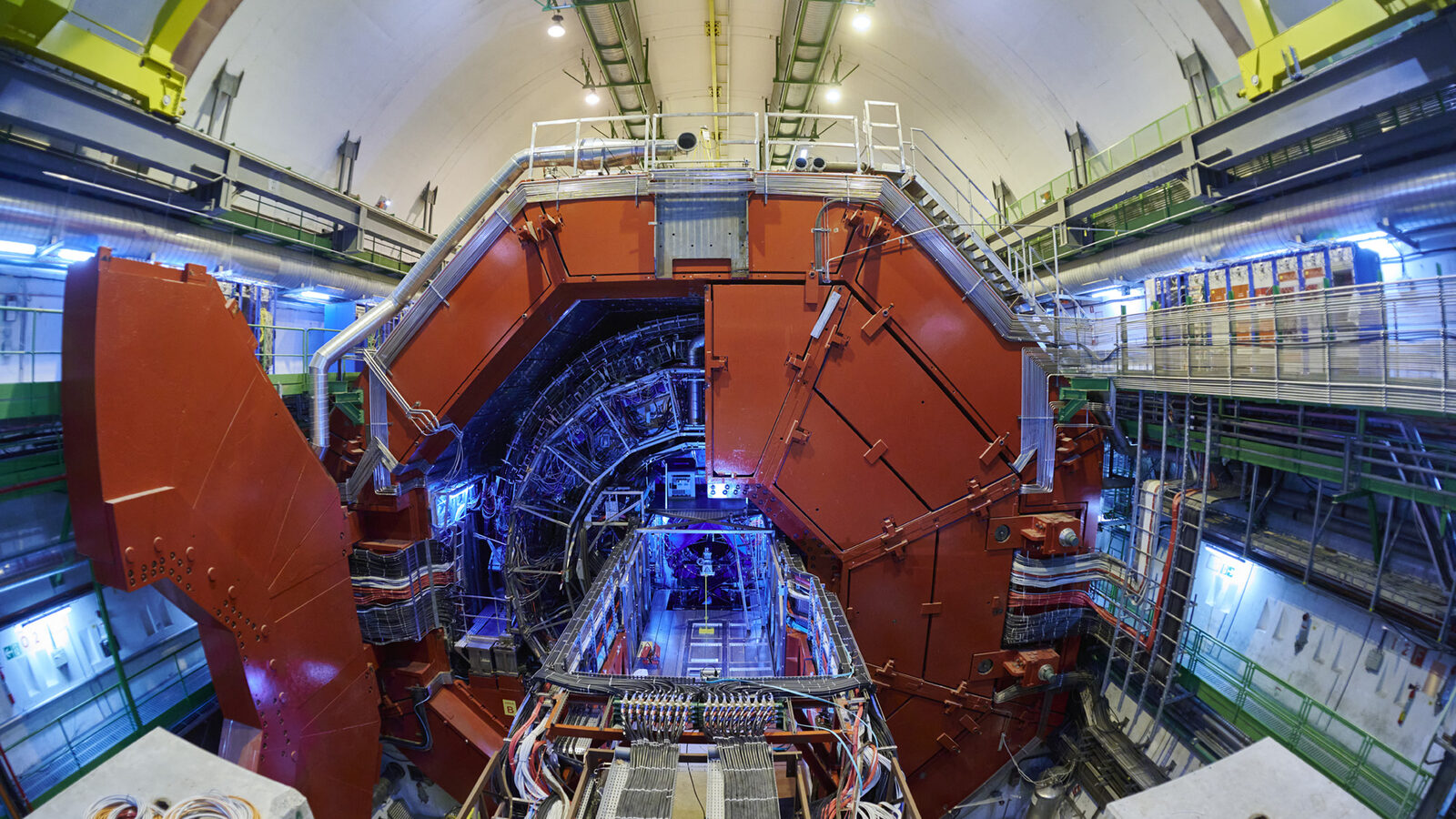
In 2023, the ALICE experiment was ready for their best year yet, until a mysterious signal threatened everything. As the LHC wraps up its 2025 lead-ion run, physicists recall how they worked together to solve the puzzle.
Donald Glaser of the University of California, Berkeley, won a Nobel Prize for inventing the bubble chamber in 1952 as a way of detecting subatomic particles. Now a University of Chicago professor, Juan Collar, is leading the charge to make the bubble chamber cool and cutting-edge again.
Many high-energy physics laboratories have athletic clubs, music clubs, or chess clubs, but a bread-tasting club? Only in Japan. And only at Koo Energy Ken, KEK, outside of Tsukuba.
In a boon for archaeology, particle physicists plan to probe ancient structures for tombs and other hidden chambers. The key to the technology is the muon, a cousin of the electron that rains harmlessly from the sky.
For most people, a Caribbean cruise is an opportunity for sun-splashed daydreaming, guiltless beach reading, and lackadaisical dips in warm, shimmering waters—in other words, complete mental repose.
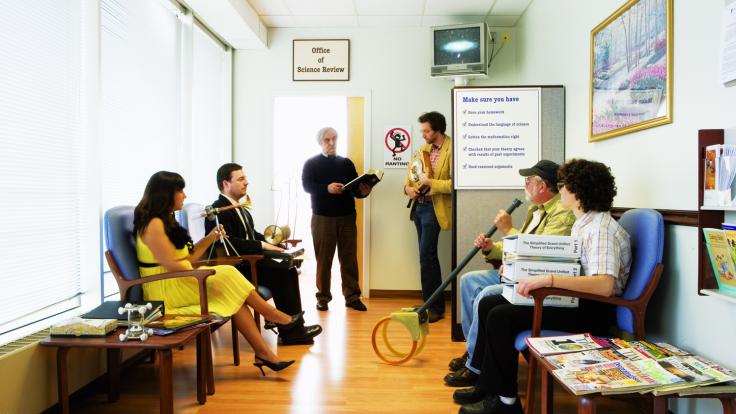
Amateur scientists make important contributions in a number of fields, from astronomy to ornithology. But very few have the background needed to succeed in high-energy physics.