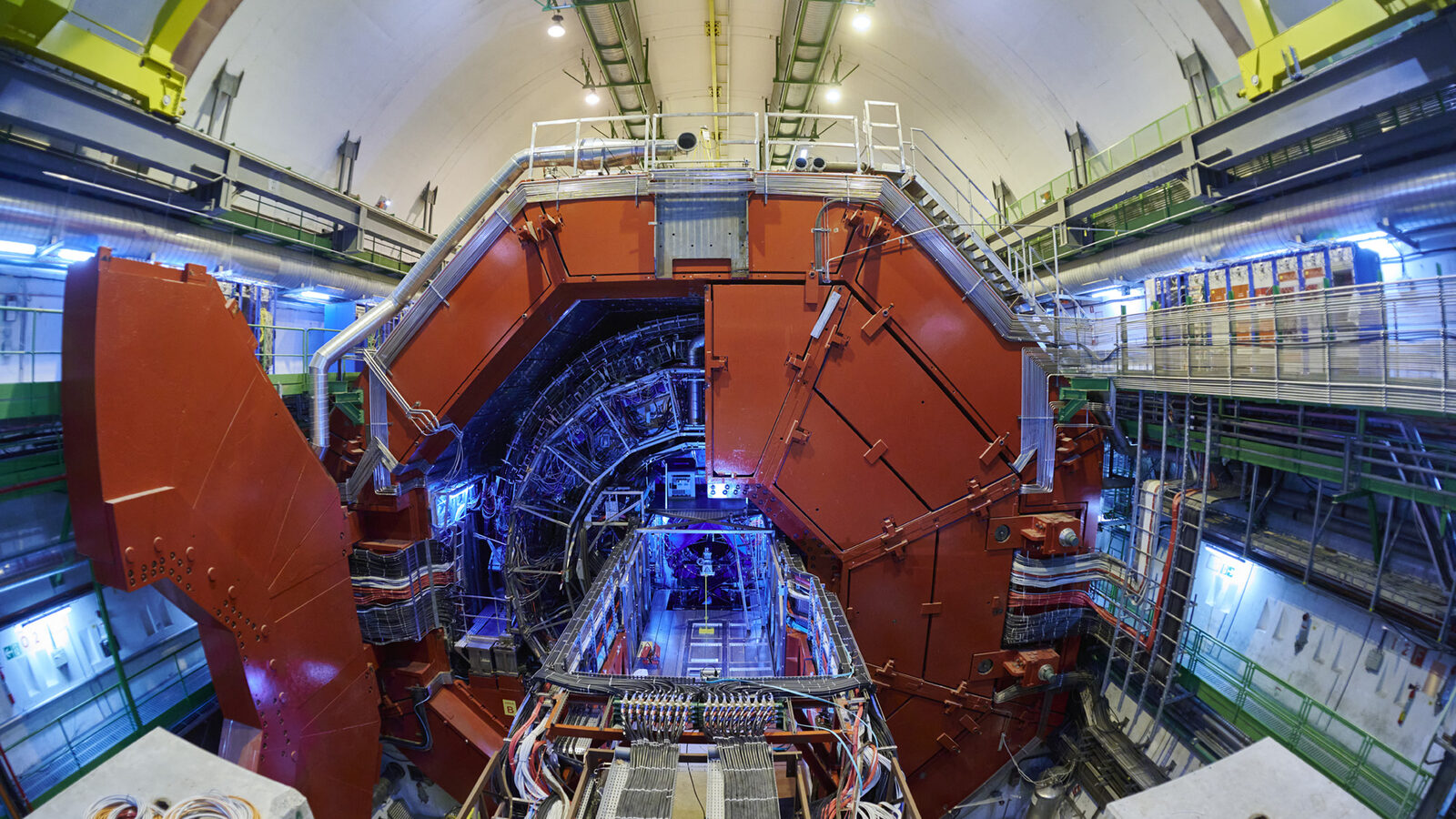
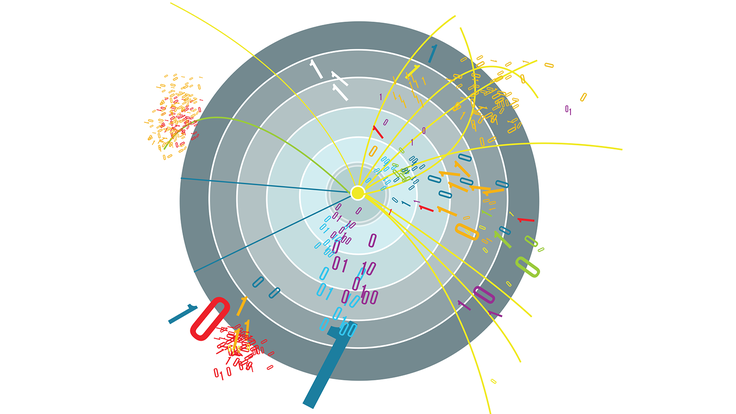
In 2023, the ALICE experiment was ready for their best year yet, until a mysterious signal threatened everything. As the LHC wraps up its 2025 lead-ion run, physicists recall how they worked together to solve the puzzle.
With the Large Hadron Collider up and running, expectations are high: Shouldn't discoveries start pouring in? These things don't happen overnight. We trace the long, careful path from intriguing data to official discovery.
Scientists studying global warming hope to use dust buried in Antarctic ice formations to determine how fast the winds blew as many as 90,000 years ago.
In June 1998, Takaaki Kajita of the University of Tokyo presented strong evidence that neutrinos behave differently than predicted by the Standard Model of particles: The three known types of neutrinos apparently transform into each other, a phenomenon known as oscillation.
Many towns have public science centers. But it's difficult to think of one so close to the geographic, spiritual, and cultural heart of a city as one being planned in L'Aquila, Italy.