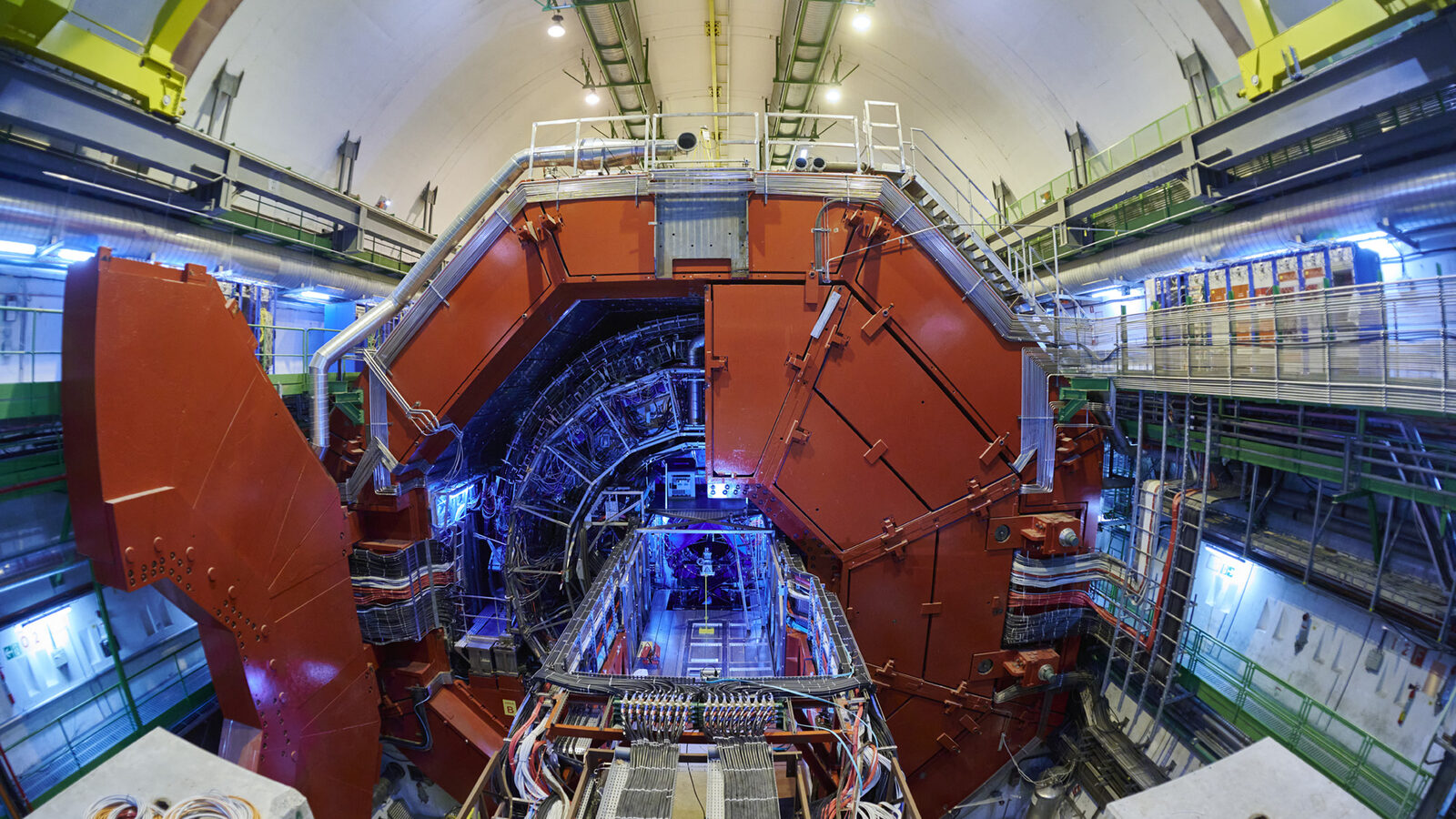
In 2023, the ALICE experiment was ready for their best year yet, until a mysterious signal threatened everything. As the LHC wraps up its 2025 lead-ion run, physicists recall how they worked together to solve the puzzle.
In March 2007, members of a US National Science Foundation panel went on a whirlwind bus tour of potential sites for the Deep Underground Science and Engineering Laboratory. Here's an account of that trip by Peter Fisher of the Massachusetts Institute of Technology.
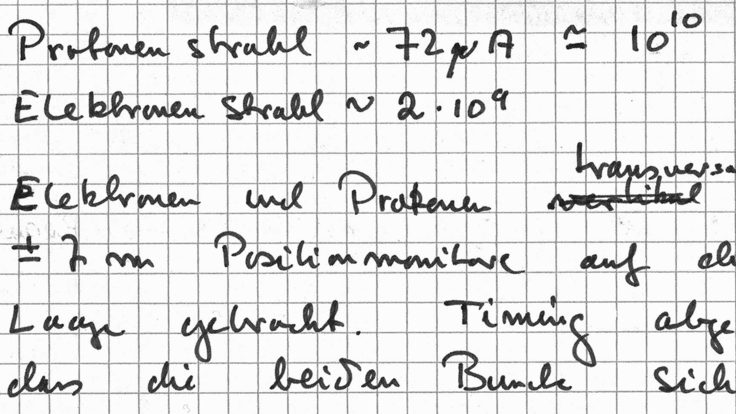
On October 19, 1991, at 6:50 p.m., Bjørn Wiik logged the first collisions in the new electron-proton particle collider at the Deutsches Elektronen-Synchrotron in Hamburg.
Search for “BaBar” on YouTube.com, and you'll get a long list of links to a 1980s TV series based on an animated elephant. But a surprise is hidden among the cartoons—a six-minute film shot in the Stanford Linear Accelerator Center's BaBar control room.
Men and women wearing gaudy dresses, looking for customers under garish neon signs—this is a common sight in Kabuki-cho, Shinjuku, a famous entertainment and red-light district in Tokyo, Japan.
Fermi National Accelerator Laboratory in Batavia, Illinois has a challenge: how will it maintain its central role as a place where particle accelerators produce groundbreaking discoveries in physics?
Laughter punctuates the excited conversations, a mix of German and English. Drinks are passed around and children dart among the legs of the hundred or so scientists gathered together for one last time. The sky’s blue is deepening: only 90 minutes until sunset.