Scientists on the Axion Dark Matter Experiment have demonstrated technology that could lead to the discovery of theoretical light dark matter particles called axions.
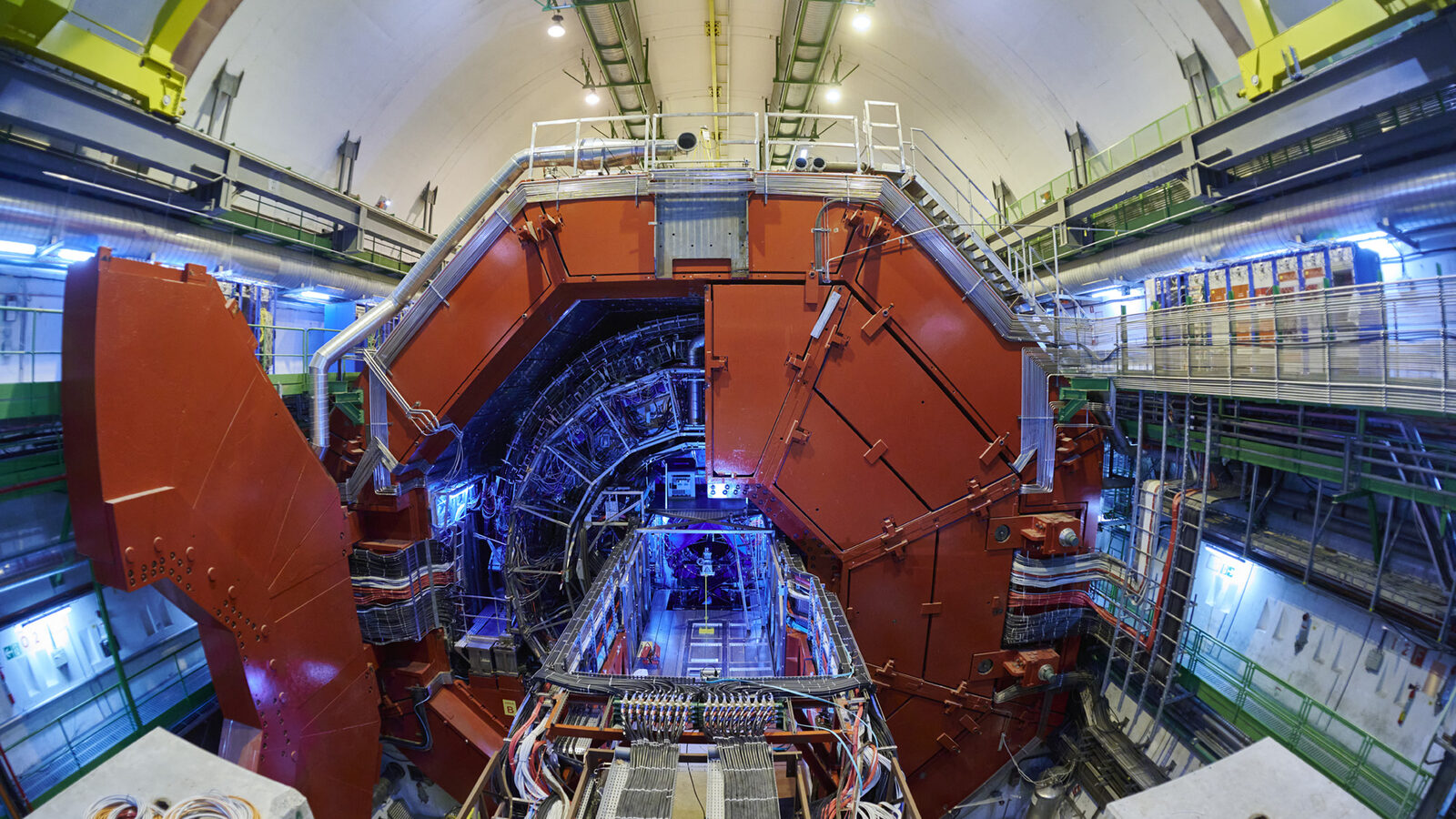
In 2023, the ALICE experiment was ready for their best year yet, until a mysterious signal threatened everything. As the LHC wraps up its 2025 lead-ion run, physicists recall how they worked together to solve the puzzle.
The amazing properties of spider webs have fascinated scientists for years. Some of the mysteries of the spider's thread (such as the radii and spirals of threads produced by the Nephila pilips spider shown above) are unraveling through the use of synchrotron light sources.
After darkness sets in each night, a wall of TV monitors in the control room of Apache Point Observatory continually displays the telescope's view of the heavens.
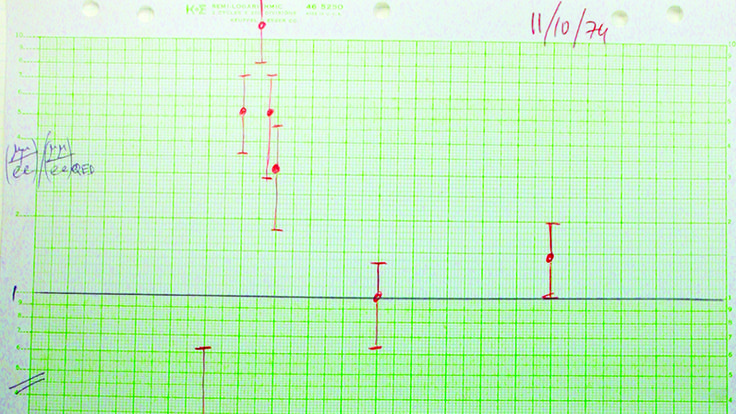
Burton Richter’s group double-checked what they thought was a minor statistical inconsistency in their data. Using the Stanford Positron Electron Accelerating Ring (SPEAR), they probed electron-positron collision energies around 3.1 GeV.
More than 500 tons of niobium would go into building the ILC. What's so great about niobium? Where does it come from? And is the Earth's supply going to run out?