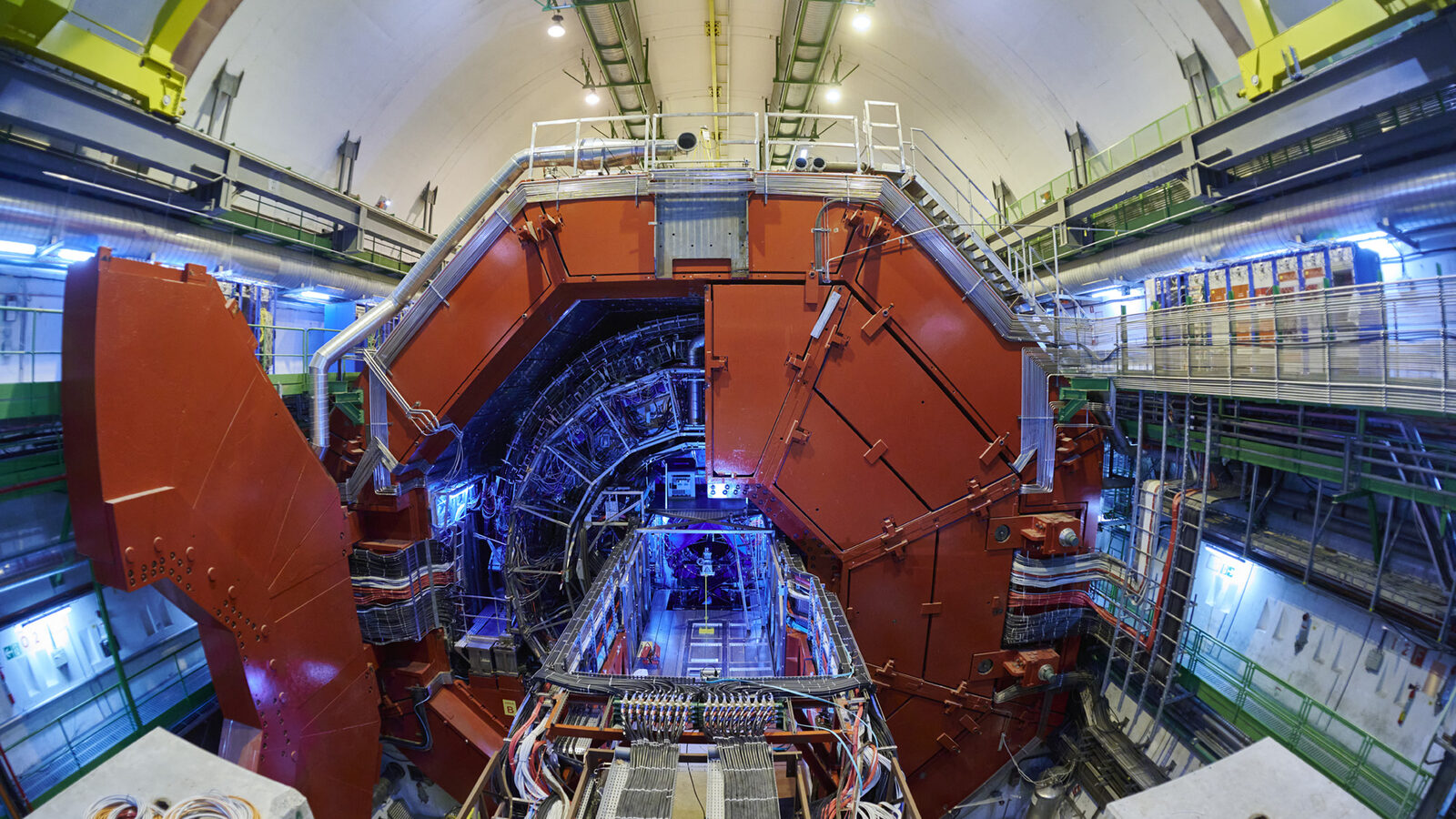
Ultrasensitive experiments on trapped antiprotons provide a window onto possible differences between matter and antimatter. Now they could also shed light on the identity of dark matter.
In 2023, the ALICE experiment was ready for their best year yet, until a mysterious signal threatened everything. As the LHC wraps up its 2025 lead-ion run, physicists recall how they worked together to solve the puzzle.
For her latest work, choreographer Liz Lerman took members of her dance troupe to CERN, where they reveled in the fog, danced in the aisles and found inspiration in wide-ranging conversations with scientists.
In Japanese, Takuya Urunos first name means "pioneer." In his 25-year career as a professional Manga artist, Uruno has been steadfast in living up to the title.
Tom Peterson loves hunting season. He spends his lunch hours scouting the best spots, and weekends lurking around the edges of Fermilab's ponds and moving as silently as he can through old fields.
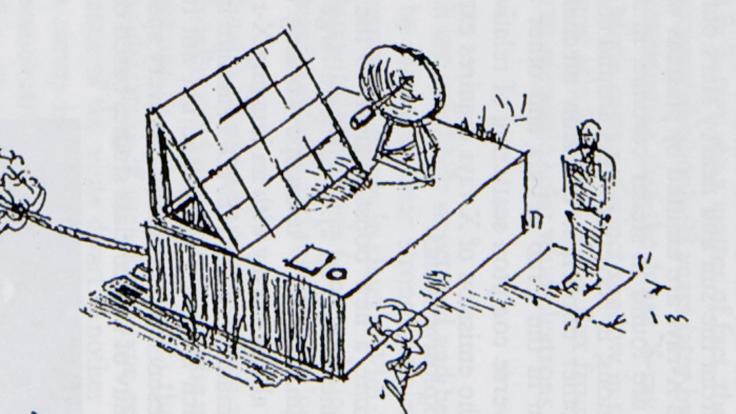
In 1991, James Cronin travelled to Leeds, England, to visit Alan Watson, an expert on cosmic-ray physics. Cronin, a Nobel Prize winner in physics who had worked on accelerator-based particle physics experiments, wanted to discuss ideas for cosmic-ray projects.
Helium is the lifeblood of large particle accelerators. As the worlds supply dwindles, the particle physics community must take steps to preserve this precious commodity or learn to live without it.